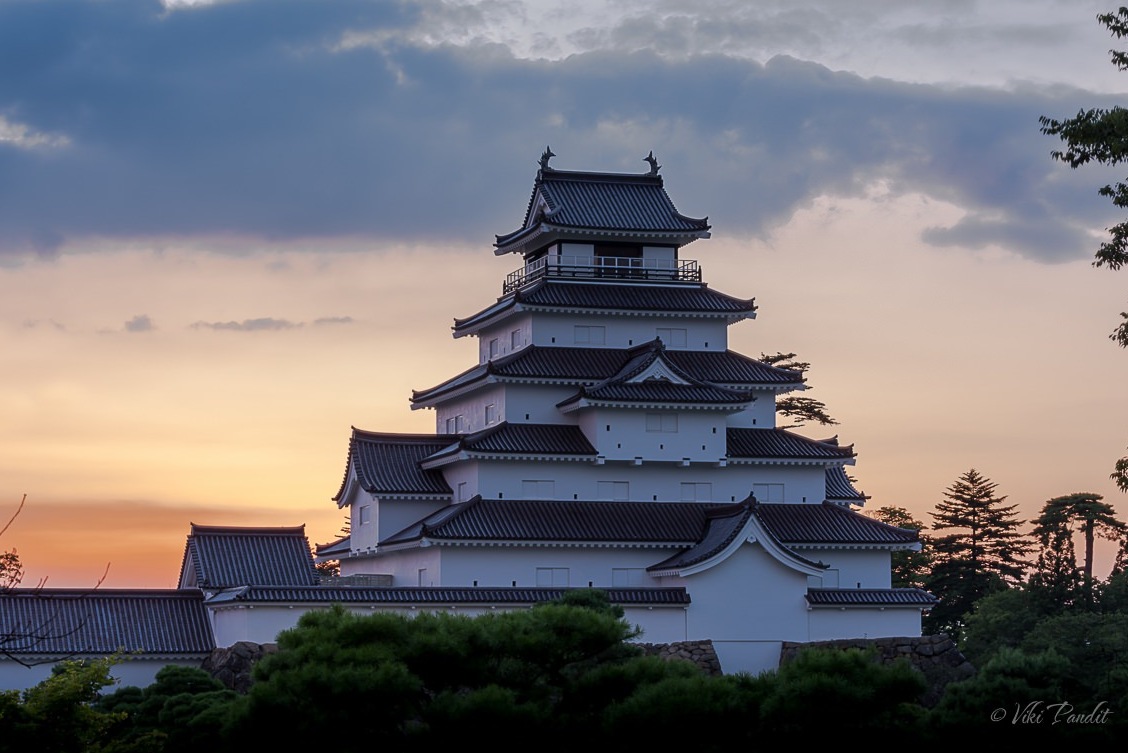

Nestled in the picturesque city of Aizuwakamatsu, Tsuruga Castle stands as a resilient testament to Japan’s tumultuous history. Originally constructed in 1384, this iconic fortress has witnessed the rise and fall of various rulers in the Aizu region. The castle's strategic location on a hilltop provided an advantageous view of the surrounding landscape, making it a pivotal stronghold throughout its storied past.
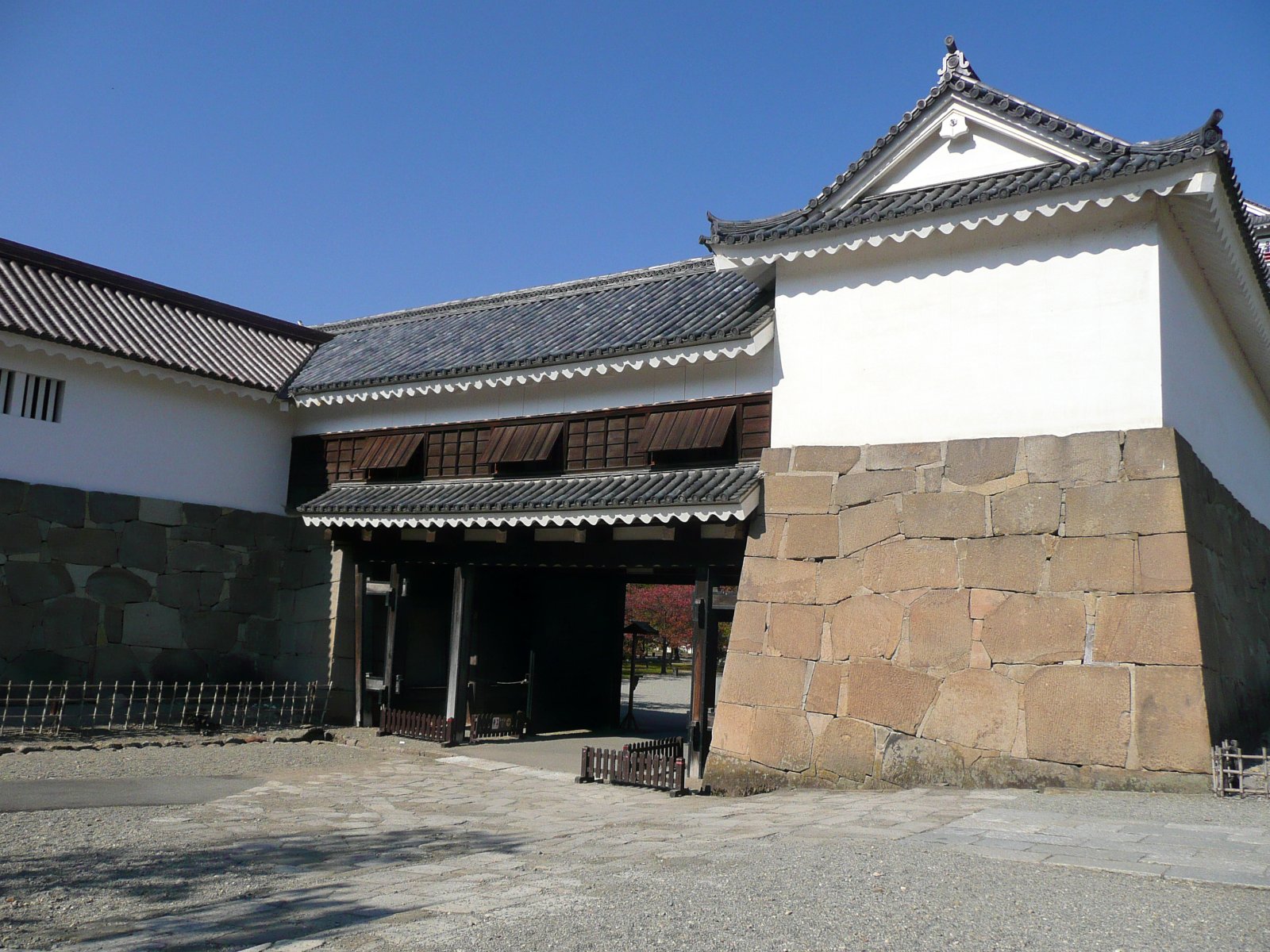
Tsuruga Castle is steeped in history, having changed hands multiple times. Its most notable chapter came during the Boshin War of 1868, a civil conflict that pitted loyalists of the Tokugawa shogunate against forces supporting the newly established Meiji government. As one of the last bastions of shogunate loyalty, Tsuruga Castle played a crucial role in the defense against the imperial army. Following its destruction in the war, the castle remained in ruins until a reconstruction project in the 1960s gave it a new lease on life. The current structure, while built from concrete, maintains the aesthetic of traditional Japanese architecture with its striking white walls and distinctive tenshu (main tower).
The architectural beauty of Tsuruga Castle is a blend of Japanese castle design and modern techniques. Its five-story keep features elegant curved roofs adorned with katsuobushi (decorative tiles), creating a striking silhouette against the backdrop of the Aizu mountains. Inside, the castle houses various exhibits that showcase the rich heritage of the Aizu region, including samurai armor and historical artifacts. Notable artworks include the intricate woodblock prints that depict the castle’s formidable history and its role in the lives of the samurai.
The culture of Aizuwakamatsu is deeply intertwined with its history, and local traditions are celebrated through various festivals throughout the year. The Aizuwakamatsu Fireworks Festival, held every summer, attracts thousands of visitors who gather to witness a stunning display of pyrotechnics against the night sky. Additionally, the Aizu Matsuri in September showcases traditional samurai parades, where participants don historical costumes and reenact pivotal moments from the castle’s past. Such events not only honor the legacy of Tsuruga Castle but also foster a sense of community and cultural pride among residents.
When it comes to gastronomy, Aizuwakamatsu offers a delectable array of local cuisine. The region is particularly famous for its soba noodles, made from buckwheat that thrives in the local climate. Aizuwakamatsu’s soba is often served in a variety of ways, including chilled with dipping sauce or in hearty soups. Another local specialty is Aizu sake, crafted from pure spring water sourced from the surrounding mountains. Visitors can sample this traditional beverage at local breweries, where the meticulous brewing process is celebrated.
Tsuruga Castle also holds lesser-known curiosities that add to its allure. For instance, the castle grounds are home to a sacred cherry blossom tree, believed to be over 400 years old. This tree blooms spectacularly each spring and draws both locals and tourists to enjoy its fleeting beauty. Additionally, legends speak of a hidden treasure buried within the castle walls, left behind by samurai during the turbulent times of the Boshin War, captivating the imaginations of those who hear the tales.
For those planning a visit, the best time to explore Tsuruga Castle is during the spring cherry blossom season or the vibrant autumn months. The changing leaves provide a stunning backdrop to the castle’s architecture. Ensure to take time to wander the castle grounds and visit the exhibits showcasing the rich history of the Aizu region.
If you’re keen on a deeper exploration of local culture or hidden gems, consider using the Secret World app to craft a personalized itinerary as you explore Aizuwakamatsu-shi.