





← Back

Francisco Piria Castle

Ruta 37 Km. 7, 20200 Piriápolis, Departamento de Maldonado, Uruguay ★★★★☆ 150 views
Carla Milone
Piriápolis
🏆 AI Trip Planner 2026

Get the free app

Discover the best of Piriápolis with Secret World — the AI trip planner with 1M+ destinations. Get personalized itineraries, hidden gems and local tips. Free on iOS & Android.

🧠 AI Itineraries 🎒 Trip Toolkit 🎮 KnowWhere Game 🎧 Audio Guides 📹 Videos
Scan to download iOS / Android
Scan for AppGallery Huawei users

About Francisco Piria Castle

Francisco Piria Castle - Piriápolis | Secret World Trip Planner

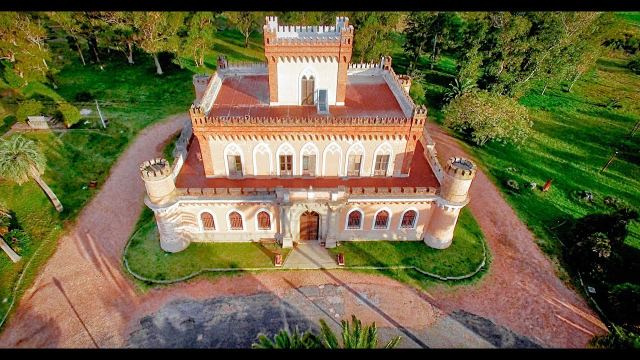
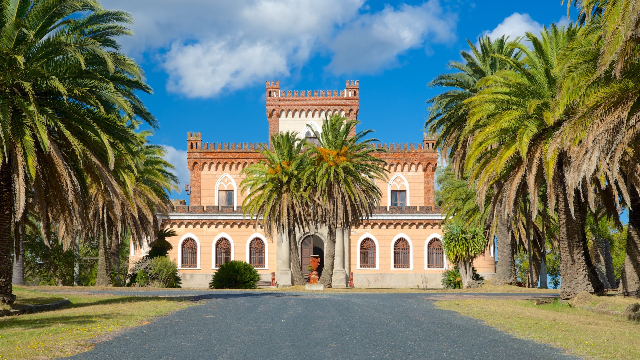
Francisco Piria, born in 1847 in Montevideo, was a prominent Uruguayan entrepreneur and a very influential figure in the country's history. The son of Italian immigrants, Piria began his career as a merchant and later invested in various businesses, including agriculture, fishing, and tourism.Piria's real fortune came with the discovery of the beneficial properties of the thermal waters of the Piriápolis region, located about 100 kilometers from the capital Montevideo. Piria thus decided to purchase a large area of land in the area and begin building hotels and spas to make the most of the natural resource.Among Piria's many activities was the construction of the Piria Castle, which represented a kind of personal and symbolic project for him. Piria's idea was to create an imposing architectural work that could represent his vision of culture and aesthetics. The castle was designed by Italian architect Francesco Gamba.The construction of the castle was very complex and required the use of many workers and high-quality materials, including stone, wrought iron, and stained glass windows. The castle took three years to build and in 1897 it was inaugurated in grand style, soon becoming one of the symbols of the city of Piriápolis and a major tourist destination.After Piria's death, the Piria Castle went through several phases and uses, including housing a military school, a sanatorium, and a university campus. In 1956, the castle was declared a national historic monument, thus recognizing its artistic and cultural value.Today, the Piria Castle is an important tourist attraction in Uruguay, visited by thousands of tourists from all over the world each year. The castle has been restored and is open to the public as a museum, with guided tours allowing visitors to discover the history and architectural beauty of this important Uruguayan monument.

Francisco Piria Castle - Piriápolis | Secret World Trip Planner

Buy Unique Travel Experiences

Powered by Viator

See more on Viator.com

Frequently Asked Questions

Francisco Piria, a prominent Uruguayan entrepreneur born in 1847, built the castle as a personal and symbolic project to represent his vision of culture and aesthetics. The castle was designed by Italian architect Francesco Gamba and took three years to complete, being inaugurated in grand style in 1897.
The Piria Castle is located in Piriápolis, a region famous for its thermal waters, approximately 100 kilometers from Montevideo, Uruguay's capital. This strategic location near natural hot springs made it an ideal destination for Piria's tourism and spa development projects.
The castle's construction utilized high-quality materials including stone, wrought iron, and stained glass windows, reflecting the ambitious and meticulous approach to the project. These materials contributed to the castle's impressive architectural design and its status as a major symbol of Piriápolis.
Yes, the Piria Castle is open to the public as a museum with guided tours available for visitors interested in its history and architectural beauty. The castle was declared a national historic monument in 1956 and has been restored, allowing thousands of tourists from around the world to experience this important Uruguayan landmark each year.
After Piria's death, the castle served various purposes including housing a military school, a sanatorium, and a university campus before being recognized for its cultural value. In 1956, it was officially declared a national historic monument, leading to its eventual restoration and transformation into a museum that welcomes visitors today.