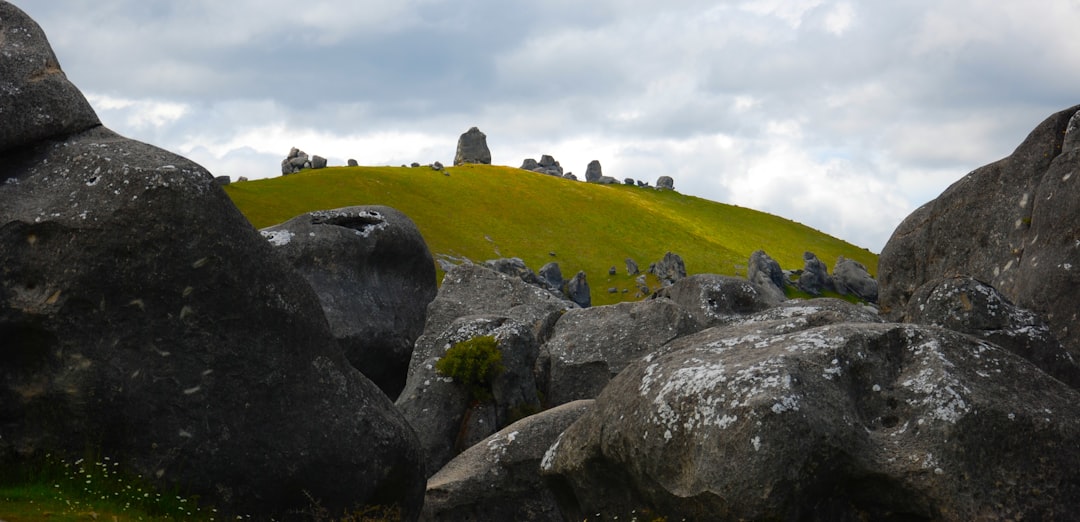

Immersed in the majesty of nature, Mount St. Helens stands as a reminder of the uncontrollable power of the Earth. Located in the State of Washington, in the United States, this active volcano has captured the attention of scientists and visitors since its catastrophic eruption in 1980, an event that profoundly transformed the surrounding landscape and the lives of the people who lived nearby. But beyond its tragic history, Mount St. Helens offers a unique opportunity to study volcanic activity and ecological recovery. This article guides readers on a journey through the beauty and intensity of the Mount St. Helens National Volcanic Monument.
With its jagged summit and clay valleys, Mount St. Helens is a place of extraordinary beauty and scientific significance. Its slopes, now covered with new and vibrant vegetation, tell stories of resilience and rebirth. Every year, thousands of visitors venture into this natural paradise, not only to admire the breathtaking landscape but also to better understand the geological forces that shape our planet. In this article, we will explore the wonders of Mount St. Helens, its tumultuous past, and the importance of its ongoing volcanic activity.
The Great Eruption of 1980
On May 18, 1980, Mount St. Helens unleashed one of the most devastating volcanic eruptions in American history. A catastrophic explosion destroyed the summit of the volcano, reducing its elevation by over 400 meters. The ash cloud reached a height of 24 kilometers, spreading for hundreds of kilometers, while devastation struck a vast surrounding area. This event not only transformed the landscape but also resulted in the deaths of 57 people and marked a change in how scientists study volcanoes.
The great eruption of Mount St. Helens demonstrated the dangers of volcanic eruptions and the importance of monitoring seismic activity. Today, the monument serves as an outdoor laboratory for scholars in geology, biology, and environmental sciences, studying how life can recover after a catastrophe. The regrowth of vegetation and the recovery of wildlife provide valuable insights into understanding ecological processes and environmental change.
A Paradise for Nature Lovers
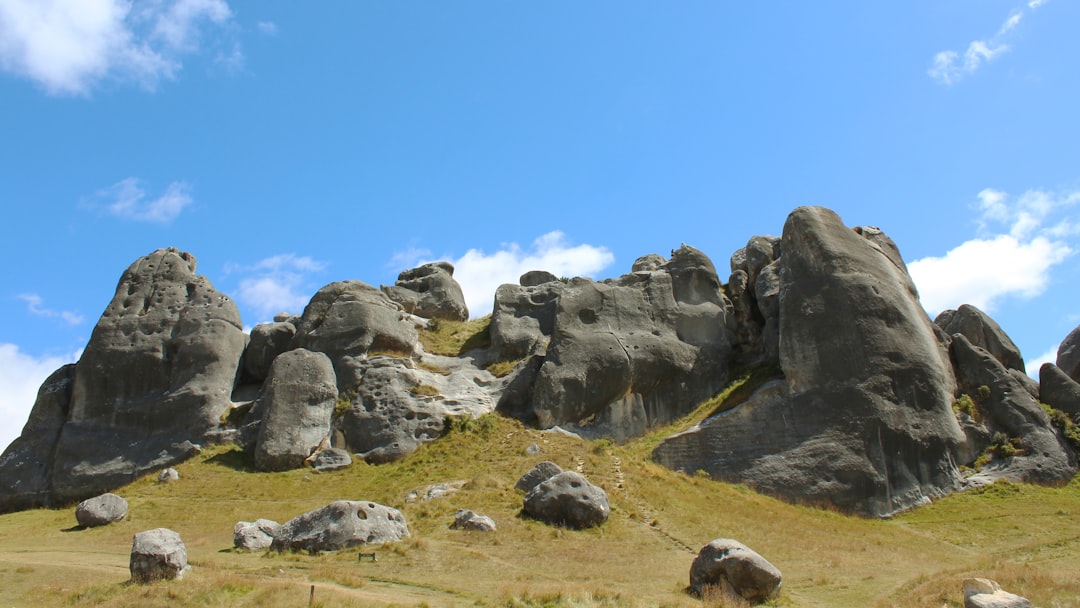
In addition to its scientific importance, Mount St. Helens is a true paradise for nature lovers. Walking along the trails that wind through lush forests and spectacular views, visitors can admire up close the beauty of the volcanic landscape. The Johnston Ridge trail, for example, offers a breathtaking view of the caldera and the crater, making every step an opportunity to reflect on the power of nature.
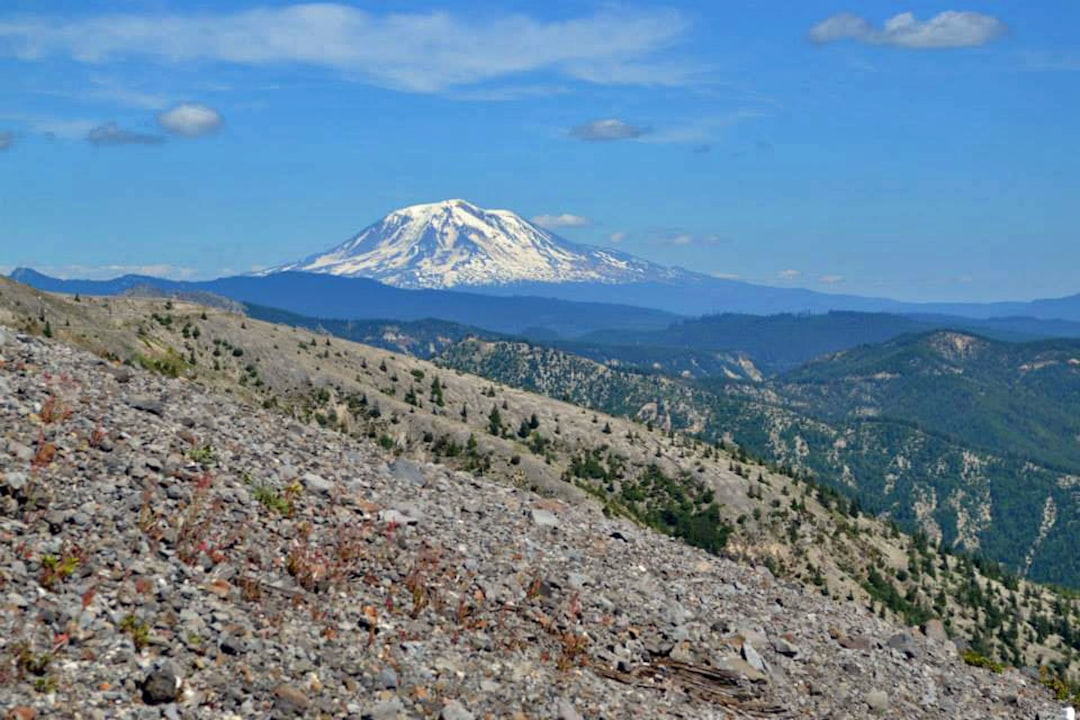
During spring, the slopes of the volcano are adorned with wildflowers that color the ground, while in summer hikers can explore the numerous trails that climb its slopes. In autumn, the leaves of the trees turn warm colors, creating a fascinating contrast with the rocky landscape. Even in winter, Mount St. Helens has its charm, with snow covering the volcano and transforming the landscape into an enchanting winter postcard.
Research and Continuous Monitoring
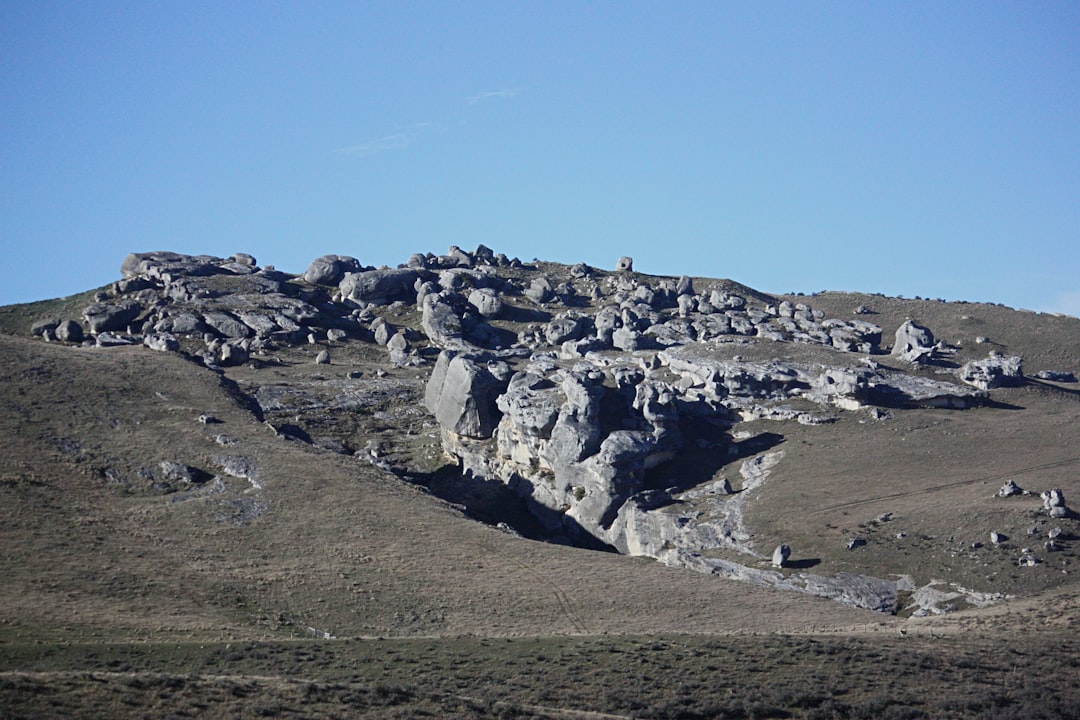
Mount St. Helens is not just a monument to history; it is also a living laboratory for modern science. Its state of volcanic activity continues to provide valuable data for scientists seeking to better understand the behavior of volcanoes. The United States Geological Survey and other agencies constantly monitor seismic activity, gas emissions, and surface deformation, contributing to the development of predictive models for future eruptions.
Studying Mount St. Helens also allows us to deepen our understanding of climate change and its implications. Scientists analyze ash deposits and changes in hydrological regimes to gather information on how volcanic eruptions affect the global climate. This research not only enriches our scientific knowledge but also helps prepare communities for potential future events.
Conclusion: Reflections on the Power of Nature
Visiting Mount St. Helens is not just an adventure; it’s a humbling experience that reminds us of the incredible power of nature. The volcano, with its scars and rebirth, speaks to the resilience of the environment and the importance of respecting the natural world. As we walk through the trails and witness the healing process of the ecosystem, we are invited to reflect on our relationship with the Earth.
The Mount St. Helens National Volcanic Monument is a symbol of the strength and beauty of nature. Every visit offers the opportunity to learn, explore, and marvel at a natural phenomenon that continues to inspire generations. Whether it’s scientists, hikers, or simple nature lovers, Mount St. Helens invites everyone to discover its secrets and respect the power of the Earth.