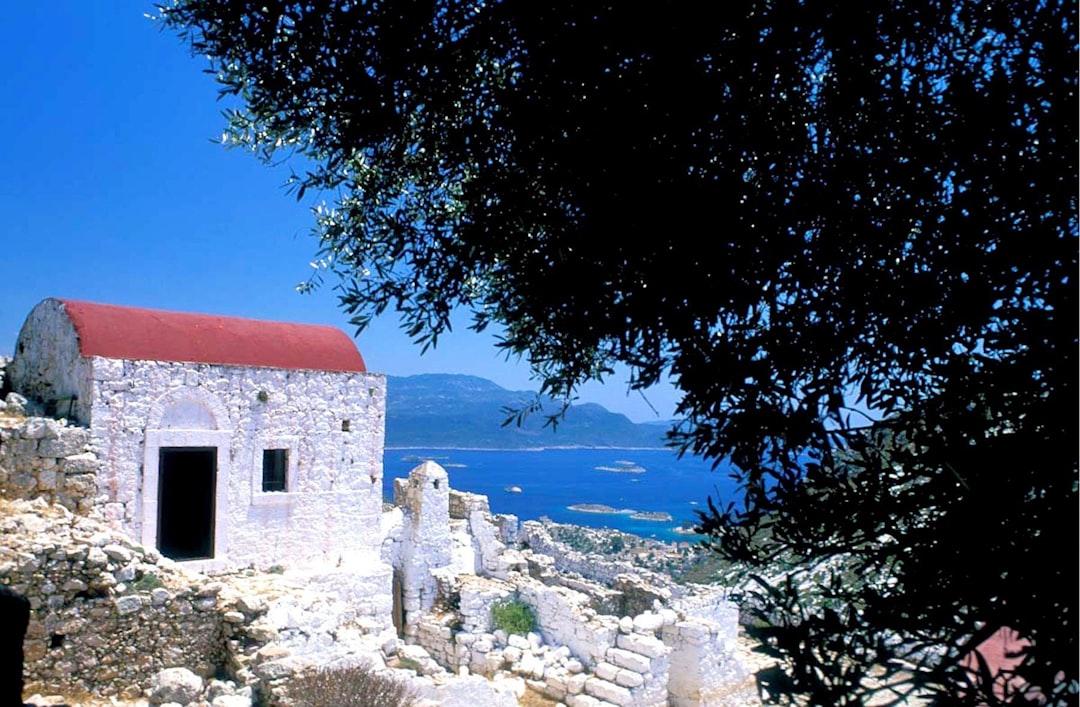

Located on the southern coast of ancient Crete, Λισσός (Lissos) is a city that has its roots in classical history, a place where the past intertwines with the present. Today, Λισσός is an archaeological site that invites visitors to discover the remnants of a thriving civilization that once dominated the Mediterranean trade routes. Its strategic position between Syia and Calamyde made it an important port, contributing to the economic and cultural development of the region.
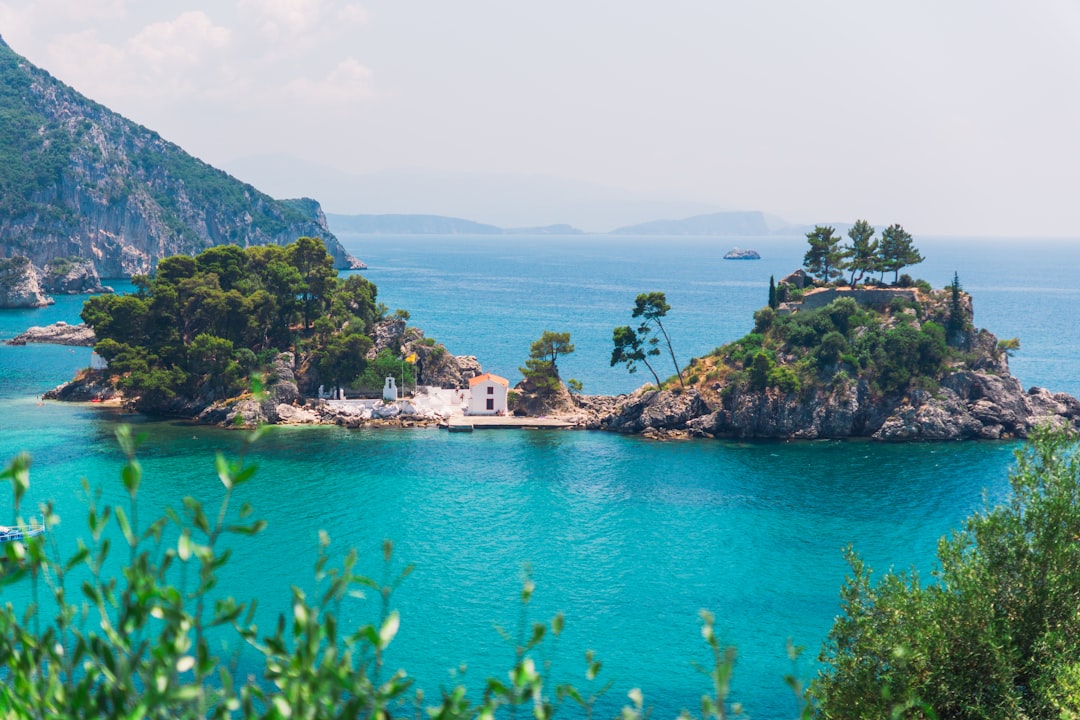
The archaeological site of Λισσός is enveloped in an atmosphere of mystery and natural beauty. The ruins, set in a breathtaking landscape, tell stories of merchants and sailors who navigated the crystal-clear waters of Crete. Today, the remains of the ancient city offer a glimpse into the daily life and social interactions that characterized this urban center, once flourishing during the classical era and into late antiquity.
History and Origins
Λισσός, also known as Lissos, is mentioned in ancient texts such as the "Stadiasmus Maris Magni" and the "Tabula Peutingeriana," which attest to its existence and importance as a port. Although the exact origins of the city remain shrouded in mystery, it is evident that Λισσός thrived due to its alliance with King Magas of Cyrene and its participation in the League of the Oreians, a consortium of cities that included Syia and Elyrus. The coins minted in Λισσός testify to its active role in maritime trade.
The city reached its peak during the classical period, becoming an episcopal center in late antiquity. The inscriptions found at the site, along with archaeological finds, provide valuable information about the religious and social life of its inhabitants. Despite its decline, Λισσός remains a symbol of Crete's cultural wealth and its complex history.
Elements to Observe
Visiting Λισσός, tourists can admire the ruins of ancient buildings, including remains of temples and public structures that reflect the architecture of the time. Visitors can stroll among the ruins, immersing themselves in an atmosphere of tranquility and contemplation. The panoramic view of the coast and the sea is simply spectacular, making the site not only a place of historical interest but also a privileged observation point for the natural beauty of the region.
Moreover, the proximity of Λισσός to Sougia, a picturesque small village, offers the opportunity to combine the exploration of the archaeological site with moments of relaxation on the beaches. Here, visitors can enjoy typical dishes of Cretan cuisine, making the experience even richer and more memorable.
Why It Is Interesting Today
Λισσός represents a unique opportunity for history and archaeology enthusiasts. The site, less crowded than other tourist destinations in Crete, allows for a more intimate and authentic exploration of the traces of a fascinating past. The tranquility of the place encourages deep reflection on the lives of the ancient inhabitants and the commercial dynamics that shaped the island's history.
In an era where mass tourism tends to prevail, Λισσός emerges as a corner of peace and discovery. Its history, the beauty of the landscape, and its cultural richness make it an unmissable destination for those wishing to know the true essence of Crete. Through the Secret World app, it is possible to discover further details about this extraordinary site and plan the visit more effectively.