
← Back

El Barco de Ávila,the Queens of Beans

Ávila, Provincia di Ávila, Spagna ★★★★☆ 647 views
Kim Dell
Ávila
🏆 AI Trip Planner 2026

Get the free app

Discover the best of Ávila with Secret World — the AI trip planner with 1M+ destinations. Get personalized itineraries, hidden gems and local tips. Free on iOS & Android.

🧠 AI Itineraries 🎒 Trip Toolkit 🎮 KnowWhere Game 🎧 Audio Guides 📹 Videos
Scan to download iOS / Android
Scan for AppGallery Huawei users

About El Barco de Ávila,the Queens of Beans

El Barco de Ávila,the Queens of Beans - Ávila | Secret World Trip Planner

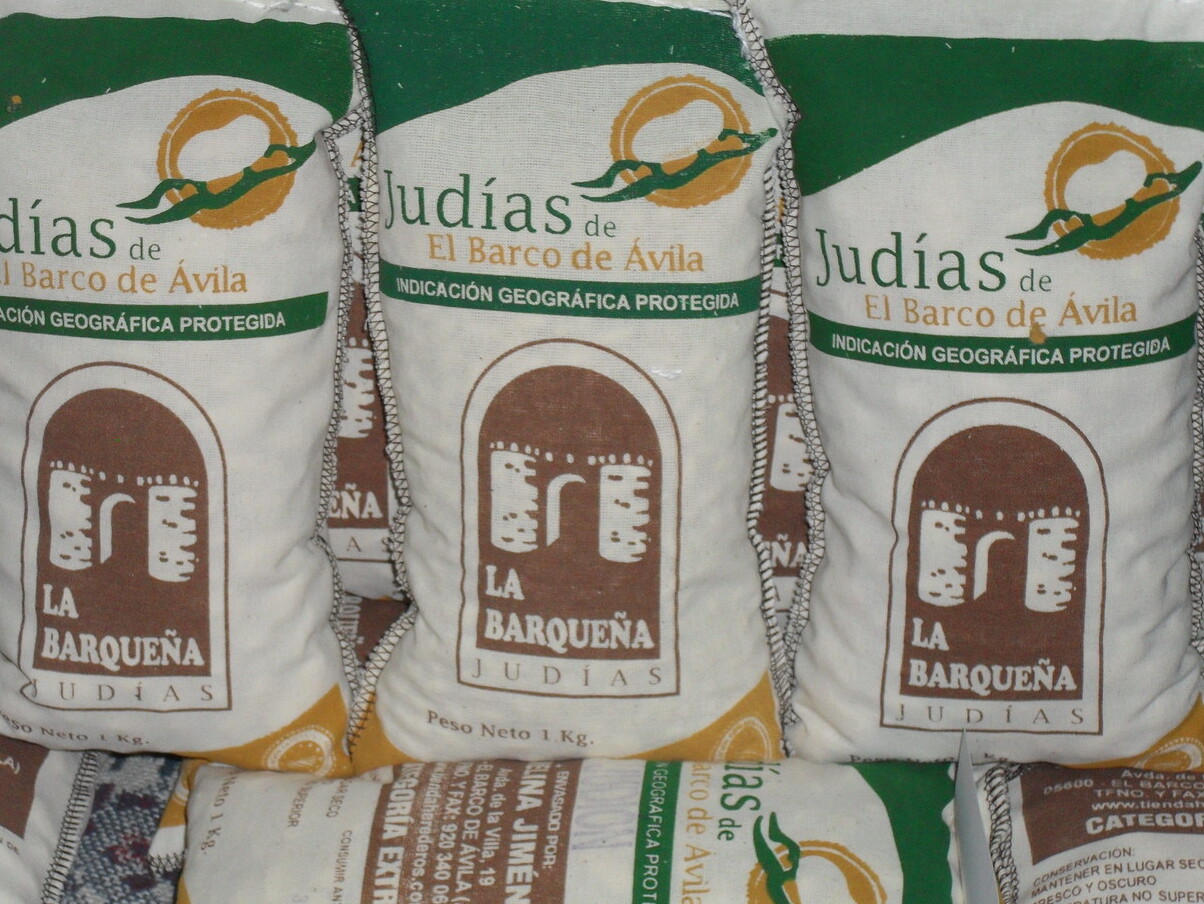
A small tribe of Spanish beans known as Judías de El Barco de Ávila make a claim to royal status. In Castile-León they are often referred to as the “Queens of Beans”, which is quite an accomplishment considering that they belong to an enormous bean family (Leguminoseae) of nearly 20,000 species. Judías de El Barco de Ávila are so valued for their characteristic thin skins, creamy texture and unique flavor, that these seven bean varieties are among the very few beans in all of Spain to be protected by an I.G.P. designation (Indication of Geographical Protection). The I.G.P. status protects the inherent characteristics of these judías, and ensures that any product so designated will meet certain requirements with regard to the variety planted, cultivation area, and processing methods. As their name suggests, these judías can be produced only in the agricultural hamlet of El Barco de Ávila-Piedrahita in Ávila, and in the town of El Tejado in the province of Salamanca, which has similar growing conditions. Six of the seven varieties of Judías de El Barco de Ávila belong to the species Phaseolus vulgaris, which is also known as the common bean. Three of these are white: blanca riñón (white kidney), blanca redonda (white round), and blanca planchada (white flattened), while the other two are purple: morada larga (purple long) and morada redonda (purple round). The seventh variety belongs to the species Phaseolus multiflorus or runner beans, which are known here as judiones. Together with the variety blanca riñón, these large, smooth, white beans are the most famous of the judías from this area. Not only are they the most commercialized, but these two varieties also account for 80-90% of all cultivation.


🗺 La app de los tesoros hispanos

Plan your visit to Ávila

Suggested itinerary near El Barco de Ávila,the Queens of Beans

MAJ+
500.000+ travelers worldwide
  1. 🌅
    Morning
    El Barco de Ávila,the Queens of Beans
    📍 Ávila
  2. ☀️
    Afternoon
    Avila and its splendid medieval walls
    📍 0 km · Ávila
  3. 🌆
    Evening
    What to See in Ávila 2026: Must-See Guide with Secret World
    📍 0 km · Ávila

Buy Unique Travel Experiences

Powered by Viator

See more on Viator.com

Explore nearby · Ávila

Frequently Asked Questions

Judías de El Barco de Ávila earned this royal title in Castile-León due to their exceptional thin skins, creamy texture, and unique flavor that distinguish them from nearly 20,000 other bean species worldwide. Their superior quality and protected status make them one of Spain's most prestigious legumes.
The I.G.P. (Indication of Geographical Protection) status protects these seven bean varieties by ensuring they meet strict requirements regarding the specific varieties planted, cultivation area, and processing methods used. This designation guarantees authenticity and can only be applied to beans produced in El Barco de Ávila-Piedrahita in Ávila and El Tejado in Salamanca.
There are seven varieties total: three white beans (blanca riñón, blanca redonda, blanca planchada), two purple beans (morada larga, morada redonda), and two prized large white varieties (judiones and blanca riñón). The judiones and blanca riñón are the most famous and commercially important, accounting for 80-90% of all cultivation in the region.
Authentic Judías de El Barco de Ávila can only be grown in the agricultural hamlet of El Barco de Ávila-Piedrahita located in Ávila province, and in the town of El Tejado in the province of Salamanca, both areas sharing similar favorable growing conditions. This geographical limitation is protected and enforced by the I.G.P. designation.
These beans are among the very few in all of Spain to receive I.G.P. protection, thanks to their characteristically thin skins and creamy texture that produce a unique flavor profile. Their rarity and protected status, combined with their superior culinary qualities, make them distinctly different from other Spanish bean varieties and highly sought after by cooks and food enthusiasts.