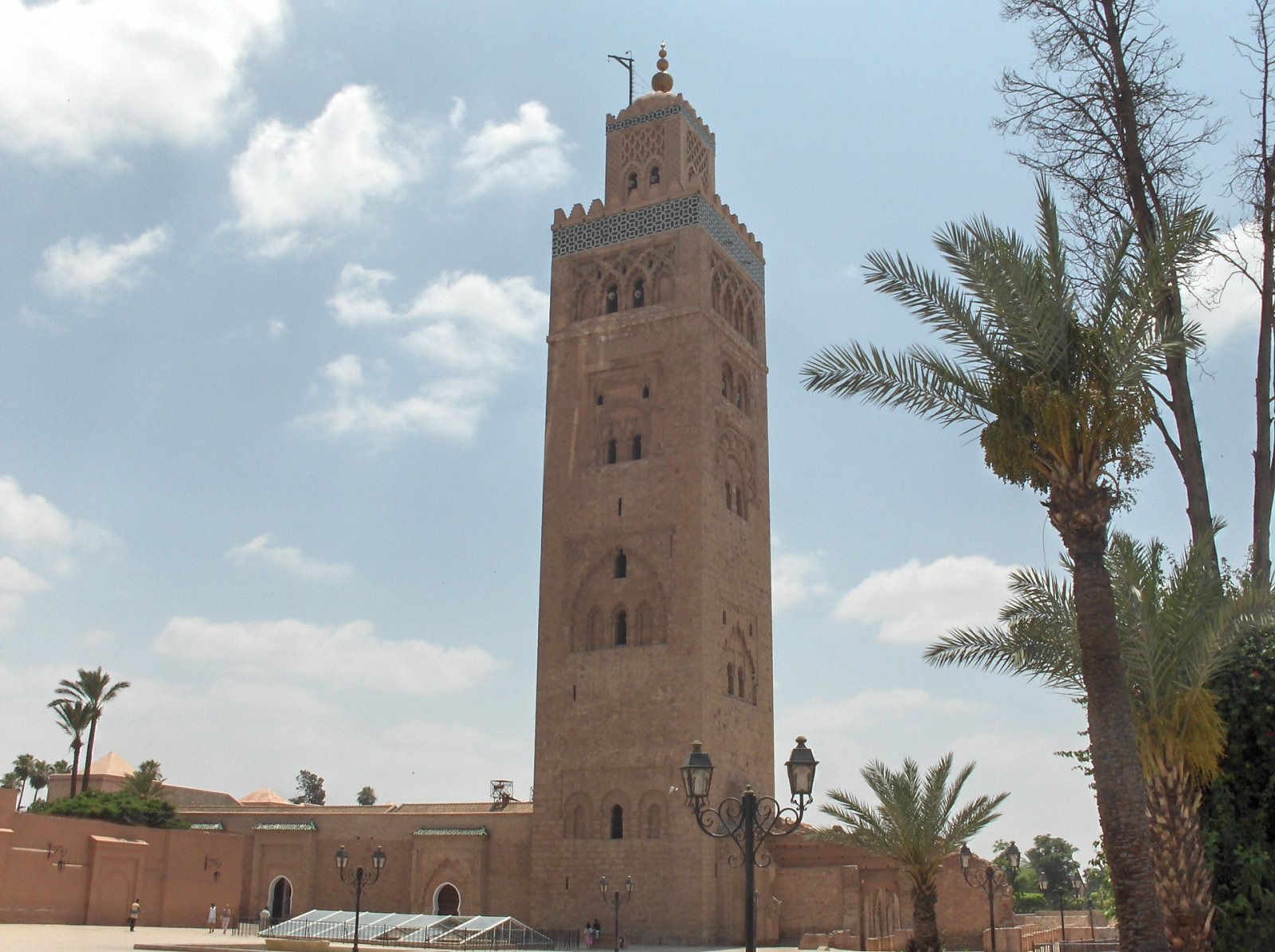

Morocco, a land of contrasts and timeless beauty, is known for its rich cultural and architectural heritage. Among its treasures, mosques represent places of great spiritual and social significance, as well as extraordinary examples of Islamic art and architecture. These buildings, symbols of the Muslim faith, offer visitors the opportunity to immerse themselves in an atmosphere of peace and contemplation.
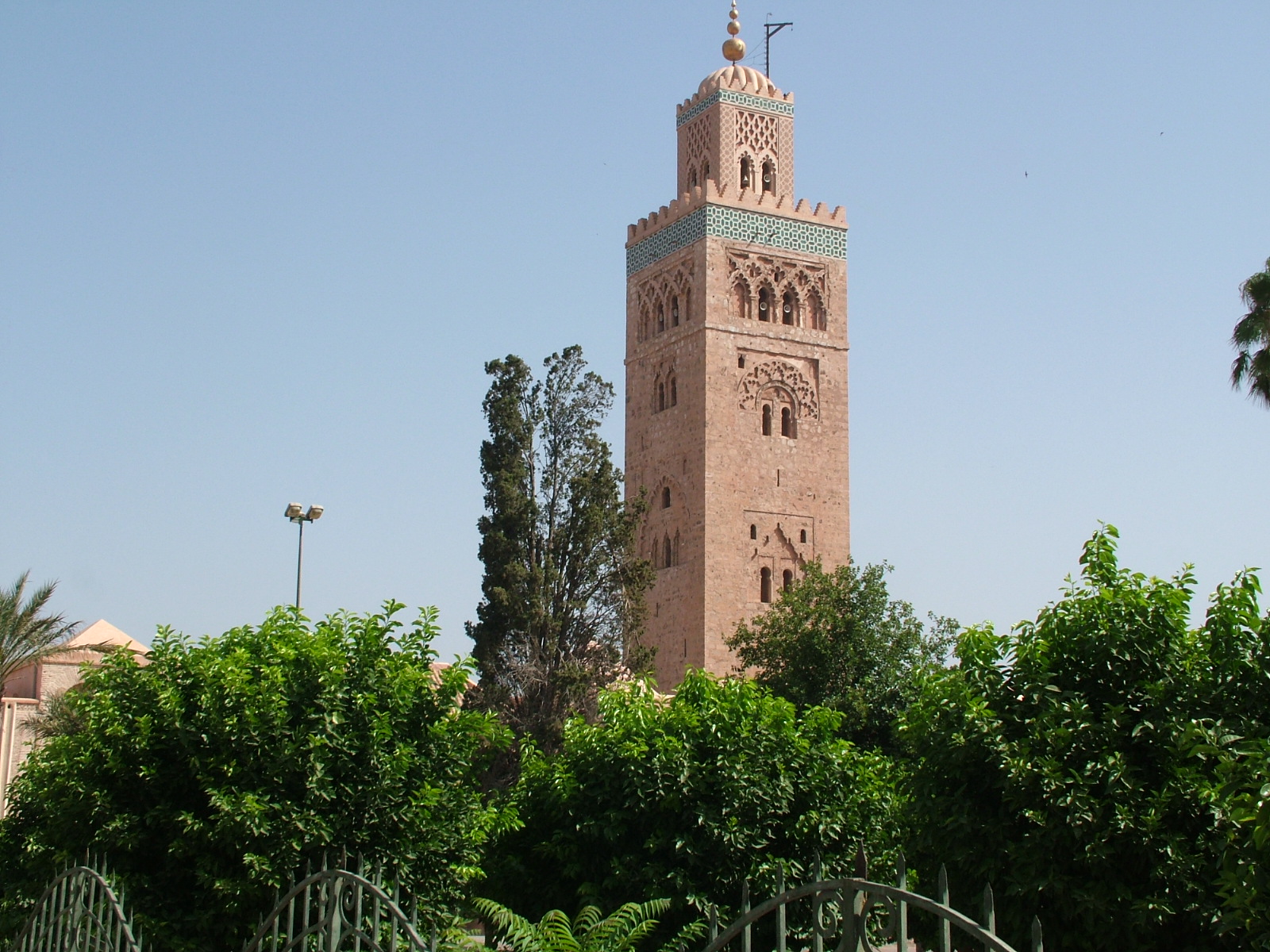
Mosques are not only places of worship but also community gathering spaces. In Morocco, each mosque tells a story, reflecting local traditions and the evolution of Islamic culture over the centuries. In particular, the location of mosques, often situated at strategic points in cities, testifies to the importance of these places in the social and urban fabric.
Historical and Cultural Context
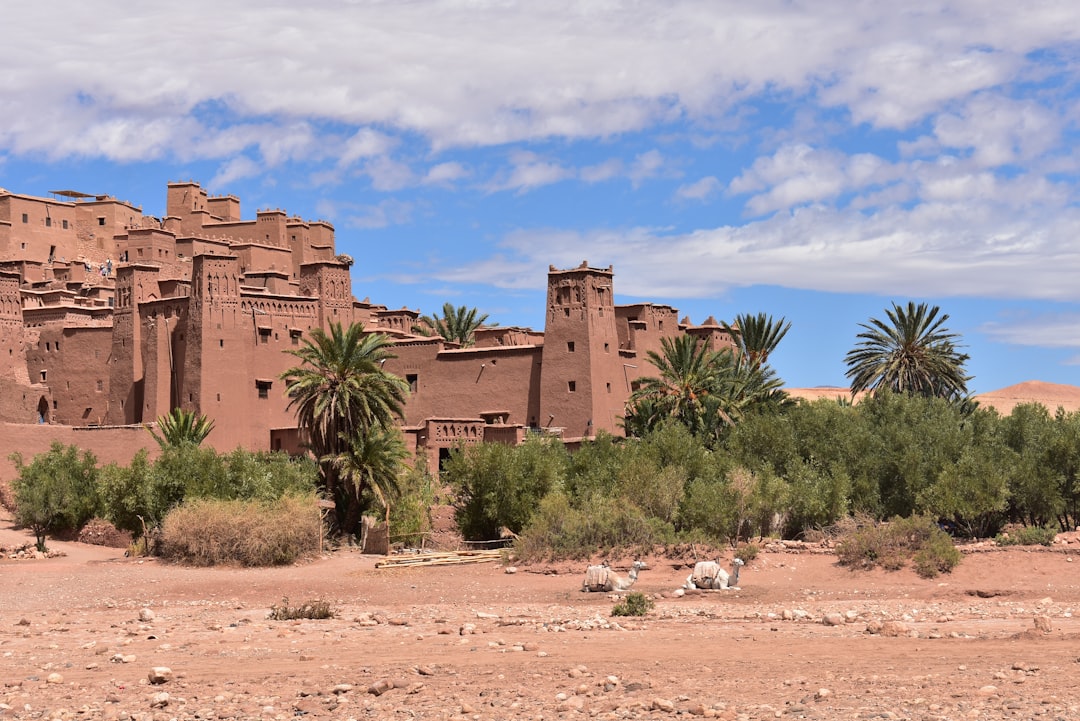
Mosques, or masjid, are prayer spaces for Muslims, which have evolved from simple places of worship to complex architectural structures. In the early period of Islamic architecture, mosques were open spaces, but over time they transformed into covered and decorated buildings, often equipped with minarets. The latter not only serve for the call to prayer but are also symbols of cultural and religious identity.
In Morocco, mosques are characterized by distinctive elements such as the mihrab, which indicates the direction of Mecca, and the minbar, from which sermons are delivered. These architectural elements are not only functional but also artistic, with intricate decorations that reflect the craftsmanship of local artisans. Moroccan culture is intrinsically linked to religion, and mosques serve as vital centers for the community, where social and cultural events take place.
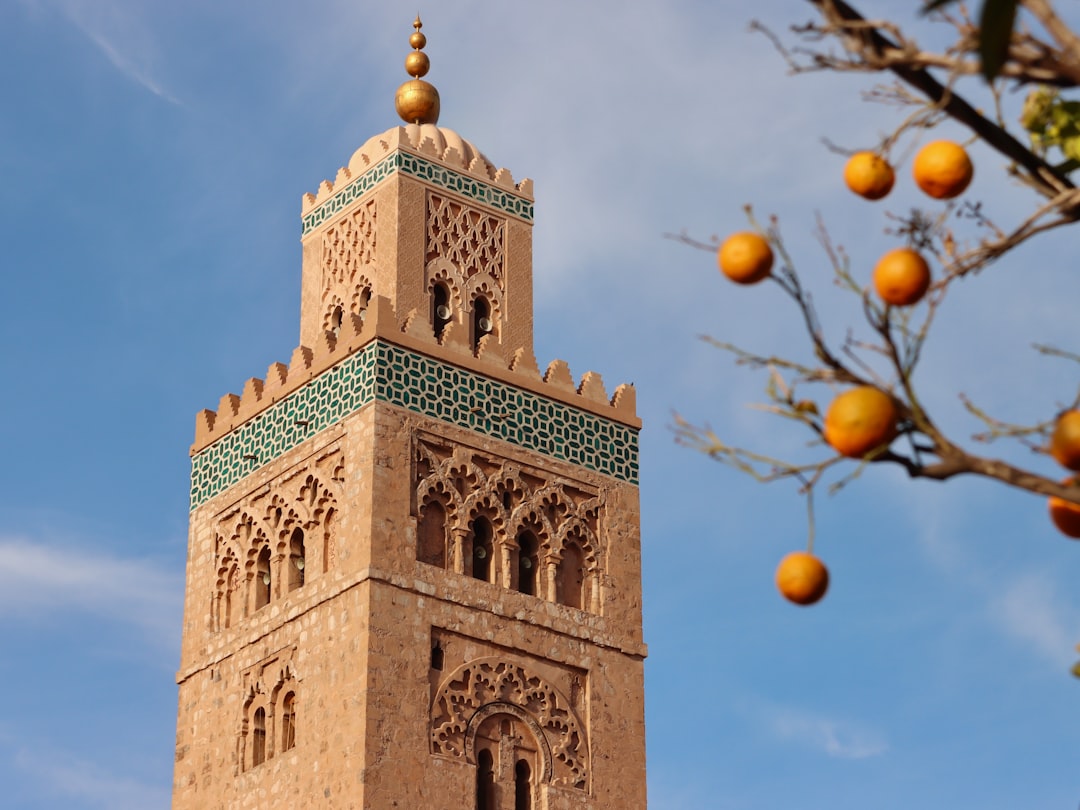
What Strikes You About the Place
Visiting a mosque in Morocco, one is immediately struck by the beauty and serenity that permeate the environment. The interior spaces, with their colorful mosaics and decorated ceilings, create an atmosphere of wonder and respect. The light filtering through the windows and the architectural details contribute to an extraordinary visual experience, inviting reflection.
Moreover, the presence of daily rituals and the practice of prayer offer a unique opportunity to observe the spiritual life of the community. The harmony between architecture and spirituality makes every visit to a mosque an unforgettable experience that goes beyond mere tourist observation. The possibility of hearing the call to prayer, or adhan, amplifies the sense of connection with Moroccan culture and tradition.
Visiting Experience
A visit to a mosque in Morocco is not just an act of tourism but an opportunity to immerse oneself in a living culture. It is advisable to respect behavioral norms, such as dressing appropriately and maintaining a respectful attitude towards practitioners. Many mosques welcome non-Muslim visitors, offering guided tours that explain the history and significance of these places.
During the visit, one can notice the different areas dedicated to prayer, with separate spaces for men and women, an element that reflects Islamic traditions. Interacting with locals and participating in community events can further enrich the experience, making the journey not only an architectural discovery but also an immersion into Moroccan daily life.