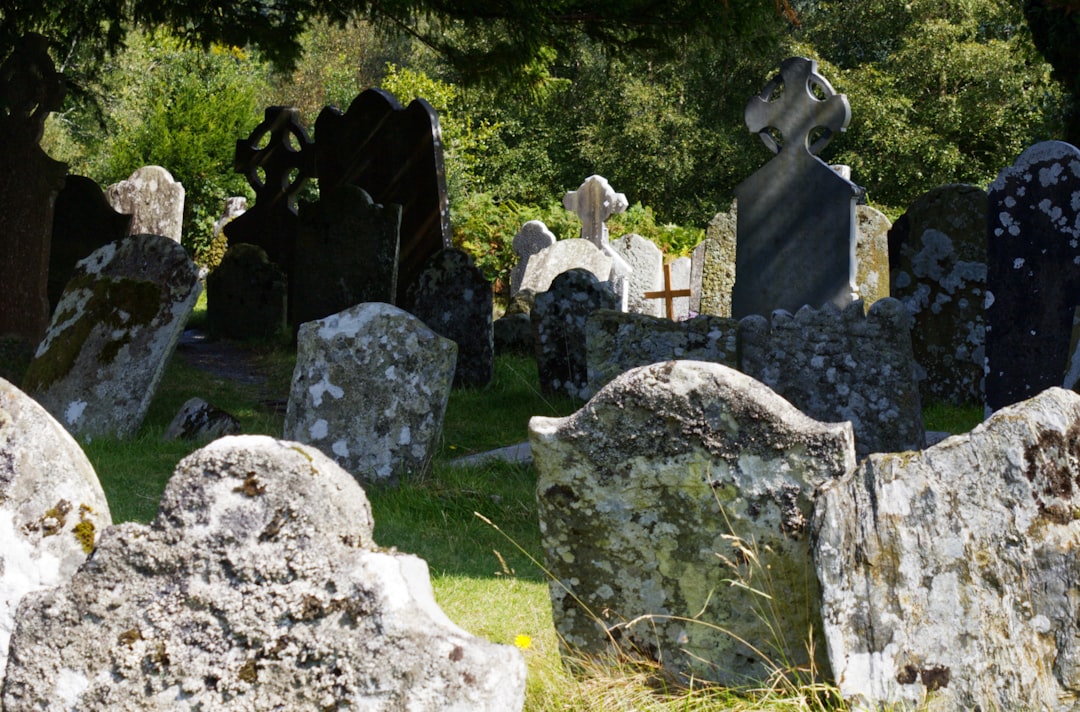

In the heart of Ireland, among green hills and ancient ruins, stands a symbol of faith and art that tells centuries of history: the Celtic Cross. This particular form of cross, with its distinctive ring, is not only a religious monument but also a masterpiece of insular art, emerging during the Middle Ages and becoming emblematic of Irish culture.
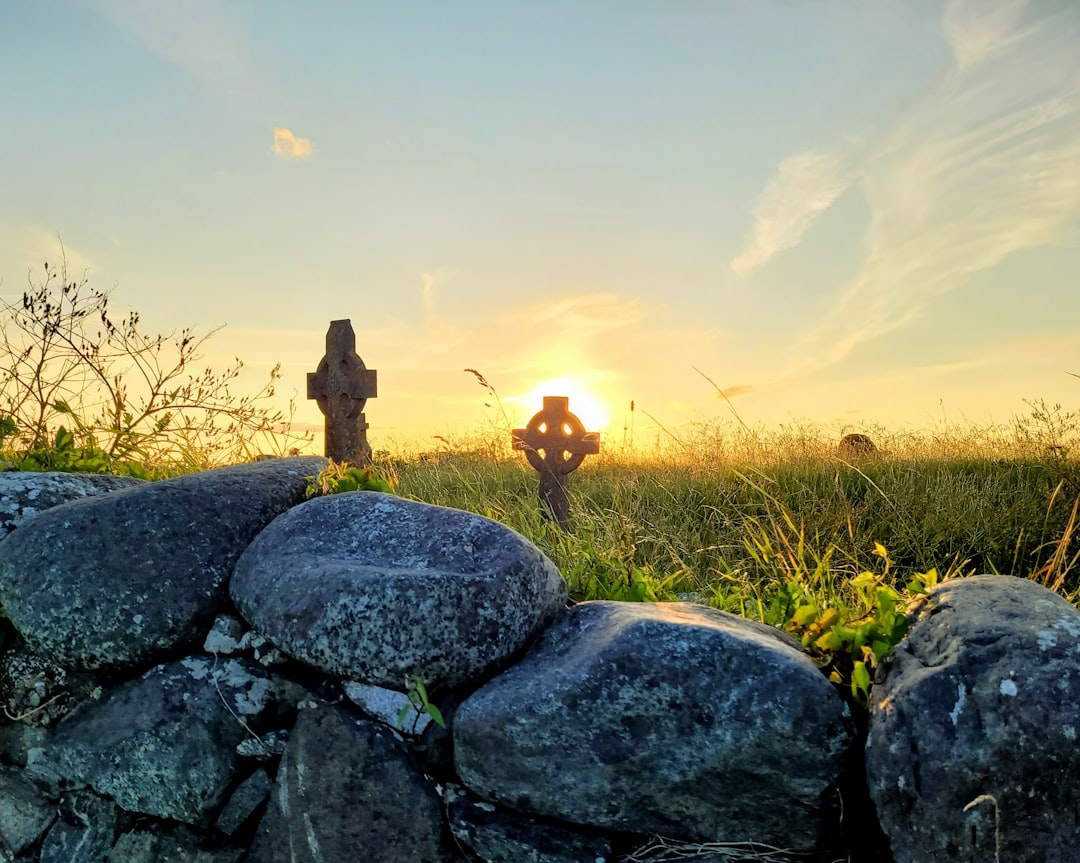
The Celtic Cross is an extraordinary example of how spirituality and art intertwine, representing the fusion of Christian traditions and Celtic influences. Visiting a place like Cross, in Ireland, means immersing oneself in a reality where every stone tells a story, every cross is a tale of devotion and beauty.
History and Origins
The Celtic Cross, as we know it, is an evolution of the Latin cross, characterized by the presence of a nimbus, a ring that surrounds the intersection of the arms and the shaft. The origins of this symbol date back to the early centuries of the Middle Ages, when crosses with similar rings began to appear in Ireland, England, and Scotland. These monumental crosses, known as "high crosses," were erected between the 9th and 12th centuries and represented not only a symbol of faith but also a sign of cultural identity.
Despite discussions among scholars about the exact origins of the Celtic Cross, it is clear that this symbol gained popularity during the Celtic Renaissance of the 19th century, when interest in Celtic traditions and their art flourished. Today, the Celtic Cross is recognized worldwide, not only as a religious symbol but also as an icon of artistic beauty.
Elements to Observe
An intriguing aspect of the Celtic Cross is its decoration. These crosses are often adorned with intricate interlacing and typical motifs of insular art, making them not only objects of worship but also true works of art. Visiting Cross, one can admire these artistic wonders, which tell stories of saints, legends, and the daily life of ancient Irish people.
Each cross has its uniqueness, and visitors can observe the different stoneworking techniques that vary from place to place. Moreover, the surrounding landscapes, with their green hills and variable skies, provide a spectacular backdrop that enriches the visual and spiritual experience of those who venture into these historic sites.
Why It Is Interesting Today
Today, the Celtic Cross continues to be a symbol of cultural and spiritual identity for many. Its presence in Ireland is a draw for tourists and scholars alike, who are attracted by its beauty and significance. In an age where many seek a connection to the past, the Celtic Cross represents a landmark for the search for roots and traditions.
Furthermore, the rediscovery of this symbol during the Celtic Renaissance has led to a new appreciation of Irish artistic and spiritual traditions. Today, the Celtic Cross is celebrated not only as a religious symbol but also as an example of cultural resilience, a link between the past and the present that continues to inspire generations.
Practical Information for Visitors
For those wishing to visit Cross, it is advisable to plan the trip in advance. The area offers various opportunities for exploration, not only of the crosses themselves but also of the surrounding landscapes, rich in history and nature. Various accommodations can be found nearby, ranging from cozy bed and breakfasts to more luxurious hotels.
Finally, do not forget to download the Secret World app, which offers detailed information and useful tips for exploring Ireland's cultural and historical heritage, making your visit even more memorable.