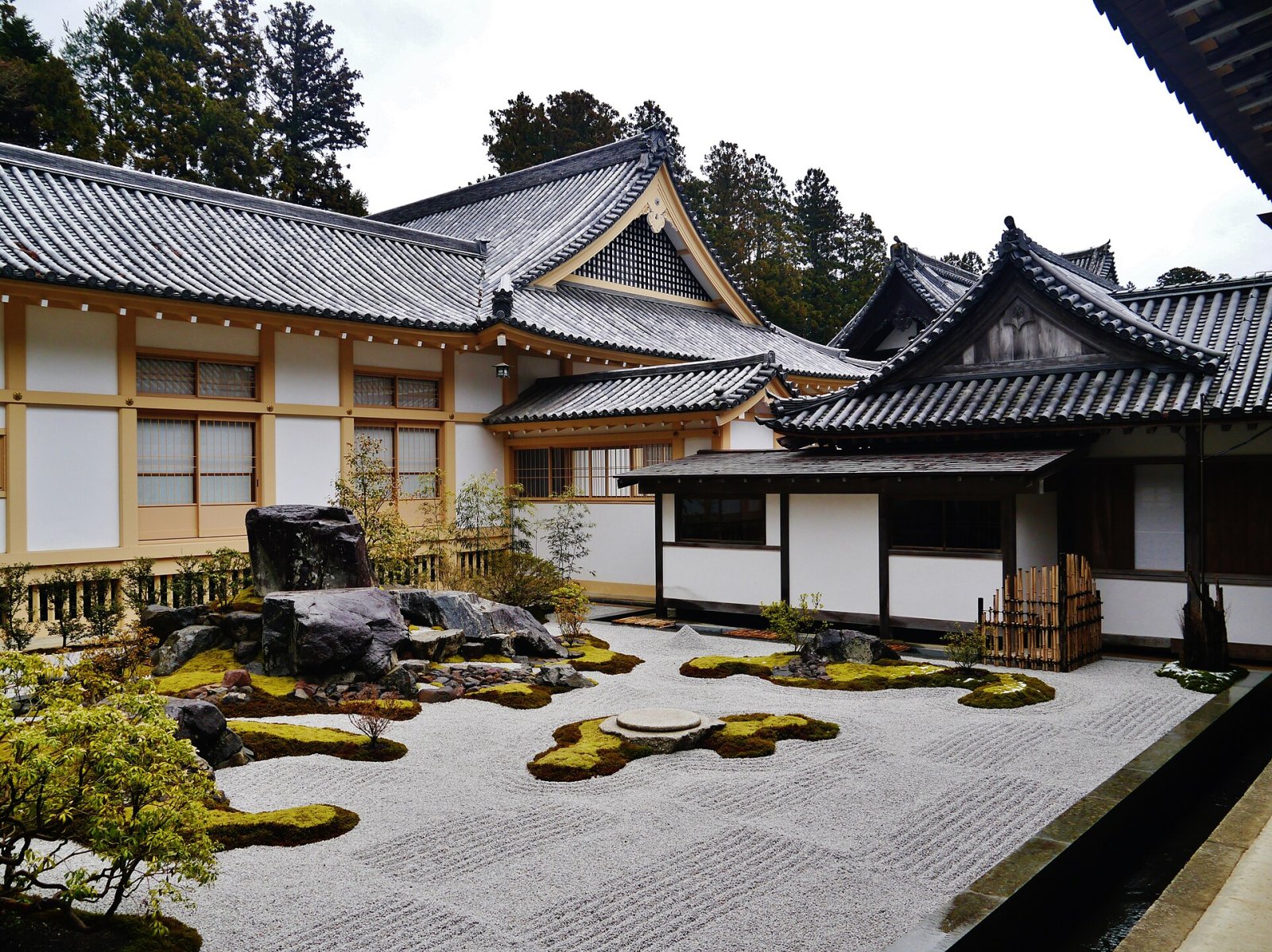

In the heart of picturesque Matsushima, one of Japan's three great views, stands the majestic Zuigan-ji Temple. This sacred place is not only a spiritual refuge but also an important historical landmark that attracts visitors from all over the world. Its natural beauty, embraced by a panorama of pine-covered islands, contributes to creating an atmosphere of serenity and contemplation.
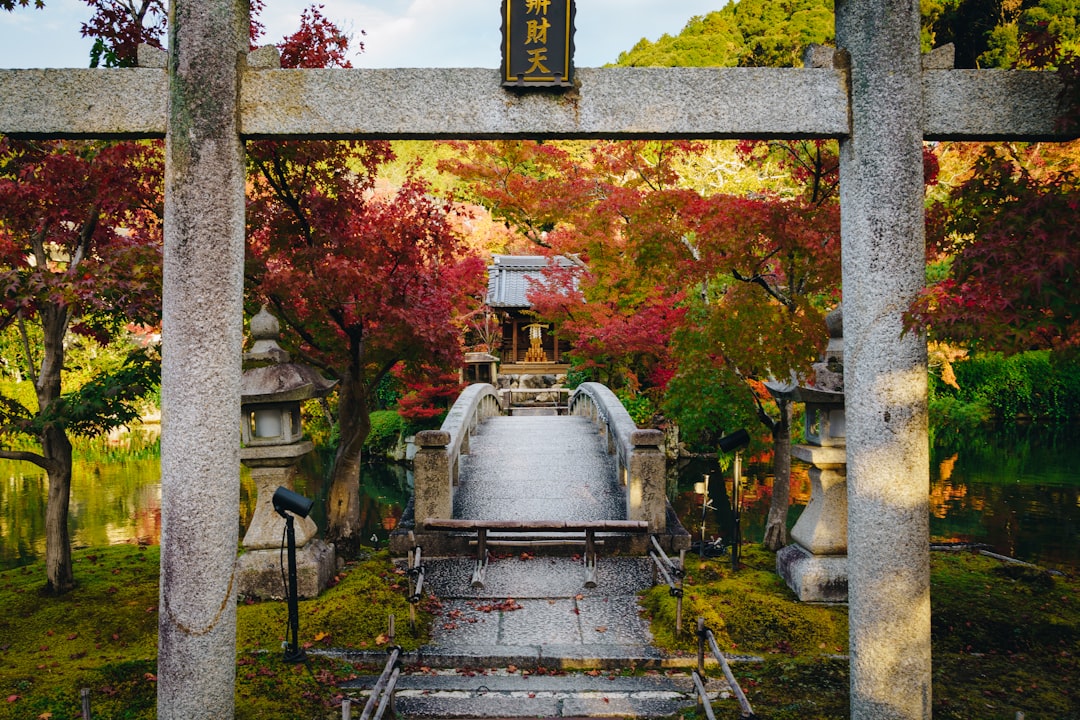
The history of Zuigan-ji intertwines with that of the city of Matsushima, which overlooks the bay of the same name. Founded in the 17th century, the temple is dedicated to the Zen monk Jigen Daishi and represents an extraordinary example of Japanese religious architecture. Its construction was influenced by monastic life, making it a place for reflection and meditation.
History and Origins
Zuigan-ji Temple was founded in 828 AD and has experienced moments of great splendor and difficulty throughout the centuries. During the Edo period, the temple was renovated and expanded, becoming an important center for Zen Buddhism teachings. Its architecture reflects the era, with elegant decorations and details that testify to Japanese craftsmanship.
In addition to its religious function, Zuigan-ji has played a significant role in Japanese cultural history. The temple has hosted numerous historical events and attracted many artists and intellectuals over the years, helping to shape the culture of the region. Its historical importance is also evidenced by the presence of numerous cultural treasures and works of art that are housed within.
Elements to Observe
Among the wonders to admire inside Zuigan-ji Temple are the intricate wooden sculptures and paintings that adorn the walls. Every corner of the temple tells a story, with details that reflect the spirituality and culture of Japan. Visitors can also explore the surrounding gardens, which offer a tranquil refuge and an opportunity to immerse themselves in the natural beauty of Matsushima Bay.
Another element of great interest is the main hall, which houses a statue of Buddha of great historical and spiritual value. The hall is a place for prayer and meditation, where visitors can feel part of the Buddhist tradition that has influenced life in Japan for centuries. Additionally, the panoramic views of the surrounding islands provide an unforgettable visual experience.
Why It Is Interesting Today
Today, Zuigan-ji Temple continues to be an active place of worship and an important tourist attraction. Its privileged location in Matsushima Bay, combined with its rich history, makes it a fascinating landmark for those seeking to understand Japanese culture. The temple is also a place where events and ceremonies celebrating the Buddhist tradition take place, attracting visitors interested in experiencing authenticity.
In an era where spirituality and connection with nature are increasingly sought after, Zuigan-ji offers a refuge for those wishing to reflect and find inner peace. Its beauty and history continue to inspire, making it a must-visit place for anyone traveling to Japan.
To further explore Zuigan-ji Temple and other fascinating places, you can use the Secret World app, which offers detailed information and tips for an unforgettable trip.