
← Back

Discover the Roman Baths of Bath: History and Beauty

9F3499J5+HJ ★★★★☆ 0 views
Rania Nadal
🏆 AI Trip Planner 2026

Get the free app

Discover the best of {city} with Secret World — the AI trip planner with 1M+ destinations. Get personalized itineraries, hidden gems and local tips. Free on iOS & Android.

🧠 AI Itineraries 🎒 Trip Toolkit 🎮 KnowWhere Game 🎧 Audio Guides 📹 Videos
Scan to download iOS / Android
Scan for AppGallery Huawei users

About Discover the Roman Baths of Bath: History and Beauty

Discover the Roman Baths of Bath: History and Beauty | Secret World Trip Planner

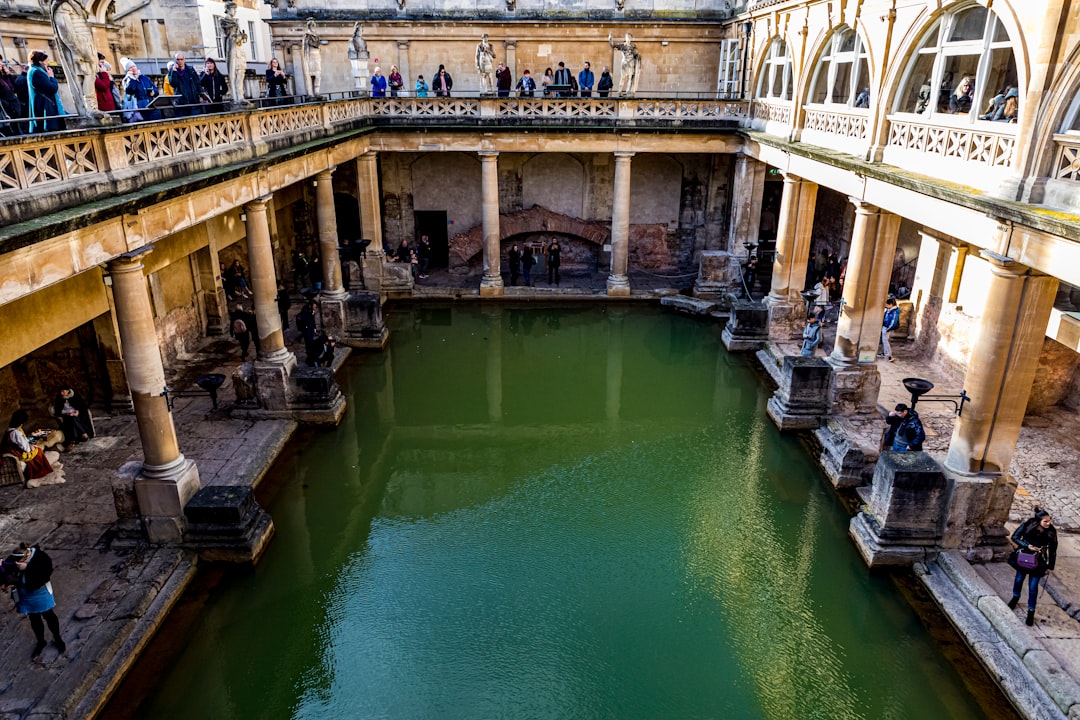
Bath, one of the most fascinating cities in England, is famous for its historic Roman baths, a treasure that attracts millions of visitors each year. Nestled in the greenery of the Somerset hills, Bath is a place where history intertwines with Georgian architectural beauty. The Roman Baths are not only a tourist attraction but also an important testament to Britain's Roman past.
Discover the Roman Baths of Bath: History and Beauty | Secret World Trip Planner

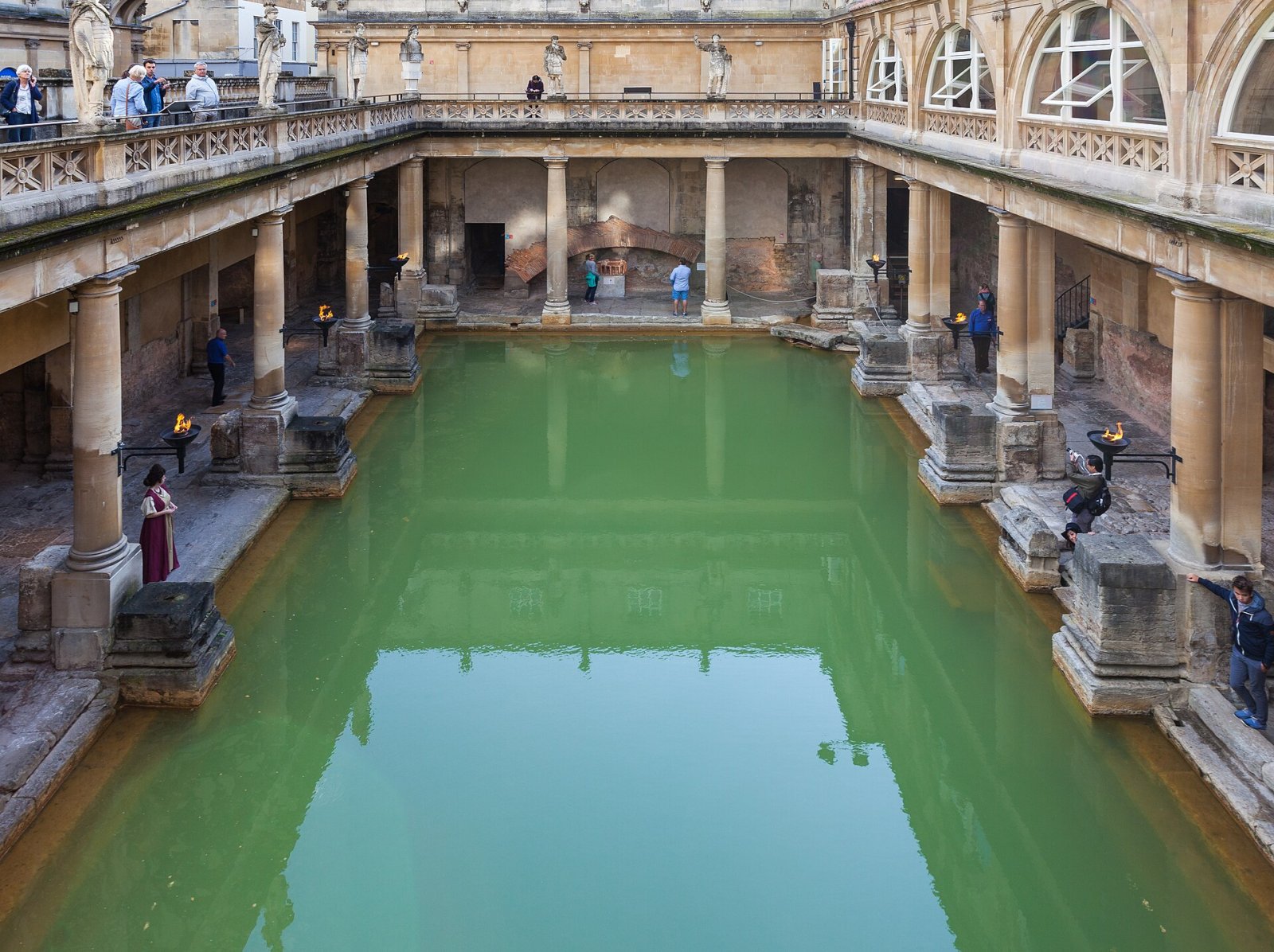
The city, with a population of around 90,000 inhabitants, offers a vibrant atmosphere, thanks to the presence of numerous restaurants, theaters, and museums. The combination of history, culture, and leisure makes Bath an ideal destination for those seeking a rich and varied experience.

History and Origins
Discover the Roman Baths of Bath: History and Beauty | Secret World Trip Planner

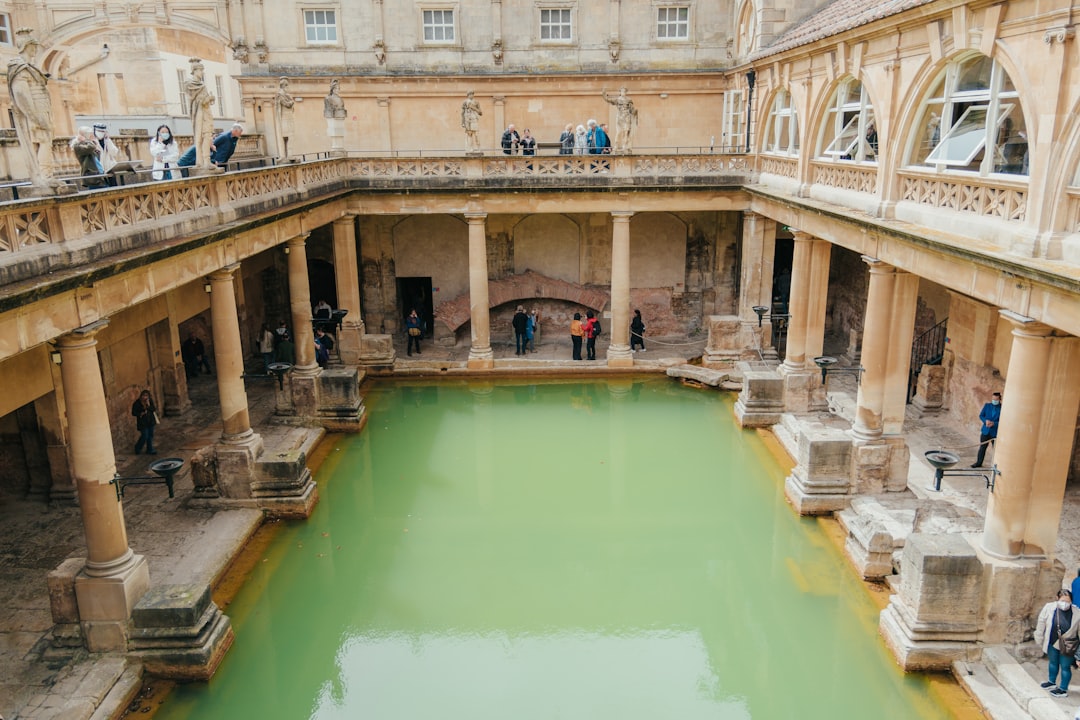
The Roman Baths of Bath date back to the Roman era when the city was known as Aquae Sulis. Thanks to its natural hot springs, Bath became an important center of wellness and worship. The Romans built an impressive bathing complex, which included pools, saunas, and temples, making it one of the most sophisticated of its time. This site was recognized as a UNESCO World Heritage Site in 1987, highlighting its historical and cultural significance.

Over the centuries, the Roman Baths have undergone various transformations and renovations. During the medieval period, the city continued to thrive, maintaining its status as a spa center. The Georgian architecture that characterizes Bath today was largely developed in the 18th century when the city became a holiday destination for the British aristocracy.


Elements to Observe

Buy Unique Travel Experiences

Powered by Viator

See more on Viator.com

Explore nearby

Frequently Asked Questions

The Roman Baths date back to the Roman era when Bath was known as Aquae Sulis, and they were built to take advantage of the city's natural hot springs. The Romans created an impressive bathing complex including pools, saunas, and temples, making it one of the most sophisticated of its time, and the site was recognized as a UNESCO World Heritage Site in 1987.
Visitors can explore the remains of the sophisticated Roman bathing complex, which includes multiple pools, saunas, and temple structures that showcase Roman engineering and wellness practices. The site provides a fascinating glimpse into how important this center was for both bathing and religious worship during the Roman occupation of Britain.
After the Roman period, Bath continued to thrive during the medieval era, maintaining its status as a spa center thanks to its natural hot springs. The Georgian architecture that characterizes the city today was largely developed in the 18th century when Bath became a fashionable holiday destination for the British aristocracy.

Bath is home to around 90,000 inhabitants and offers a vibrant atmosphere with numerous restaurants, theaters, and museums throughout the city. The combination of rich history, cultural attractions, and leisure amenities makes it an ideal destination for visitors seeking a varied and enriching experience.
Bath's location in the Somerset hills is significant because the city's natural hot springs were the primary reason the Romans chose to establish Aquae Sulis there as a wellness and religious center. These geothermal features have shaped the city's identity and importance for nearly 2,000 years, from Roman times through to its Georgian heyday.