




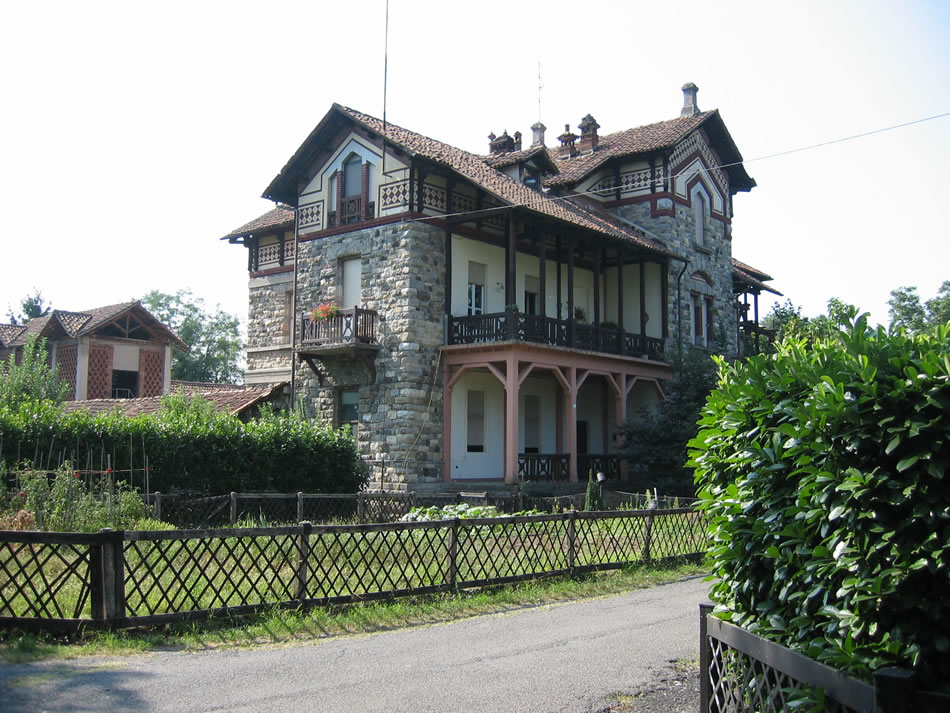
It is located in Lombardy and is an example of "company towns" built in the 19th and 20th centuries in Europe and North America by enlightened industrialists who wanted to meet the needs of workers. An ideal labor village, a small fiefdom where the master's castle was a symbol of both authority and benevolence, toward workers and their families. The Crespi d'Adda Village, a UNESCO World Heritage Site, is still today a village inhabited mostly by the descendants of the textile mill workers. "It all began when two enlightened captains of industry-Christopher Benigno Crespi and his son Silvio Benigno-wanted to build on the banks of the Adda an ideal village of labor, a small fiefdom where the master's castle was a symbol of both authority and benevolence, toward the workers and their families."
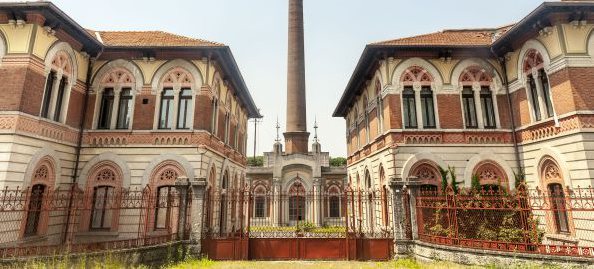
The Village of Crespi d'Adda is certainly the most important testimony in Italy to the phenomenon of workers' villages: it constituted one of the most complete and original realizations in the world and has been preserved perfectly intact - keeping its urban and architectural appearance almost intact.
Crespi d'Adda is an authentic model of an ideal city; a very interesting, almost perfect, self-sufficient microcosm where the lives of the employees, together with those of their families and the entire community, revolved - in an ideal plan of order and harmony - around the factory; a garden-city on a human scale, on the border between the rural and the industrial world. Factory and village of Crespi d'Adda were built at the turn of the 19th and 20th centuries by the Crespi family of cotton industrialists, when modern industry was being born in Italy.
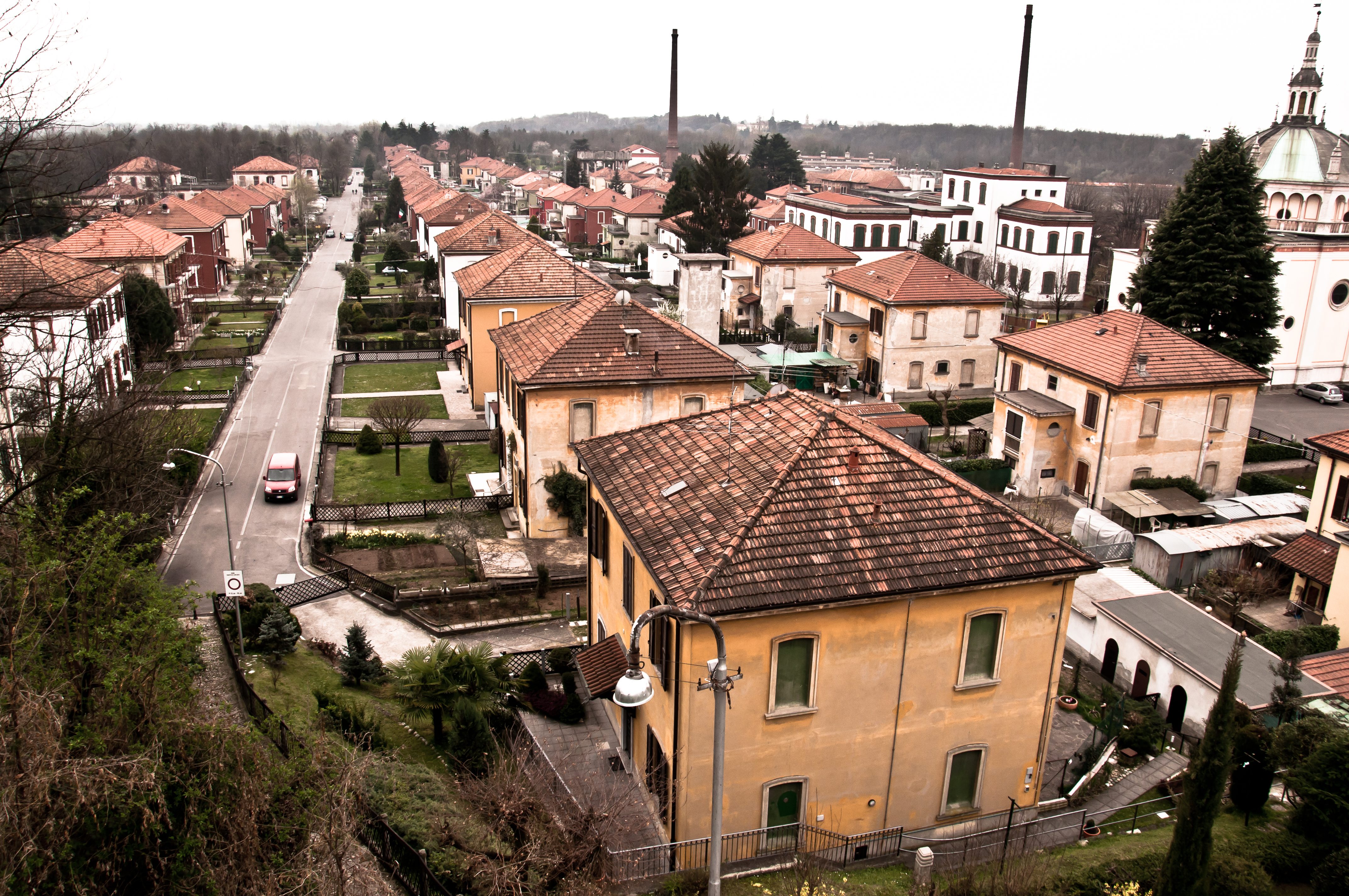
This was the era of the great enlightened captains of industry, at once masters and philanthropists, inspired by a social doctrine that saw them committed to protecting the lives of their workers inside and outside the factory, thus making up for the delays in the state's own social legislation.
The idea was to give all employees a small villa, with a vegetable garden and garden, and to provide all the services necessary for community life: church, school, hospital, after-work club, theater, public baths... Born in 1878 on the banks of the Adda River, in the province of Bergamo, this paternalist experiment also came to an inexorable end - in the late 1920s - with the exit of its protagonists and because of the changes that took place in the 20th century.
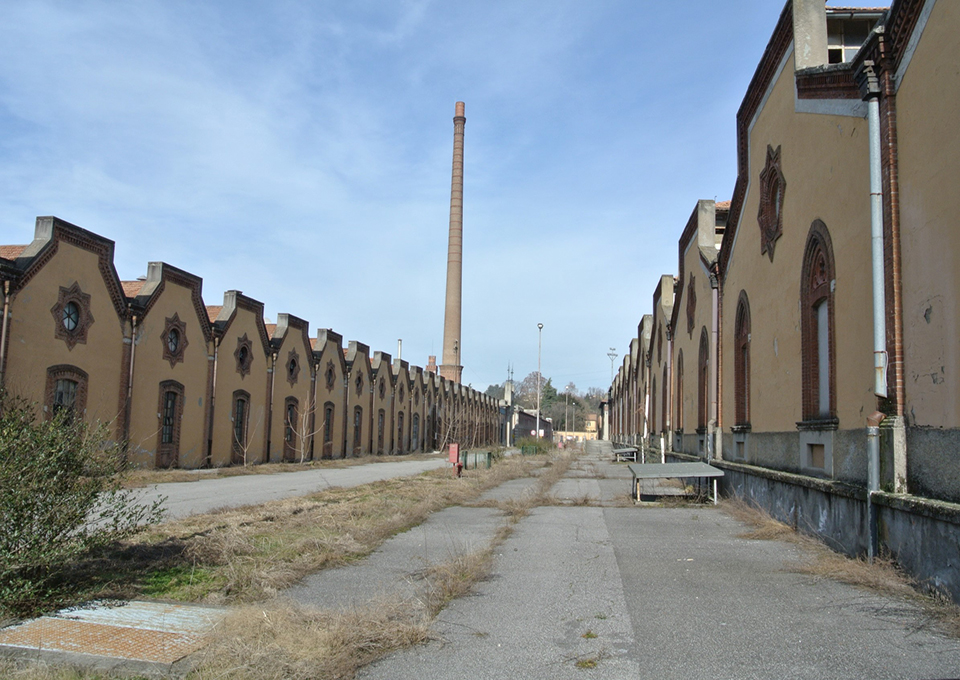
Today the village of Crespi is home to a community largely descended from the workers who lived or worked there; and the factory itself remained in operation until 2003, still in the cotton textile sector. The urban aspect of the village is extraordinary. The factory is situated along the river; next to it is the castle of the Crespi family, a symbol of its power and a warning to those who come here from outside.
The English-inspired workers' houses are lined up neatly to the east of the factory along parallel streets; to the south is a group of later villas for employees and, charmingly, for managers. The doctor's and priest's houses watch over the village from above, while the church and school, side by side, front the factory.
Marking the presence and importance of the factory are its towering smokestacks and shed sheds that are repeated in a fascinating perspective along the main street, which, almost a metaphor for working-class life, runs between the factory and the village, finally reaching the cemetery.