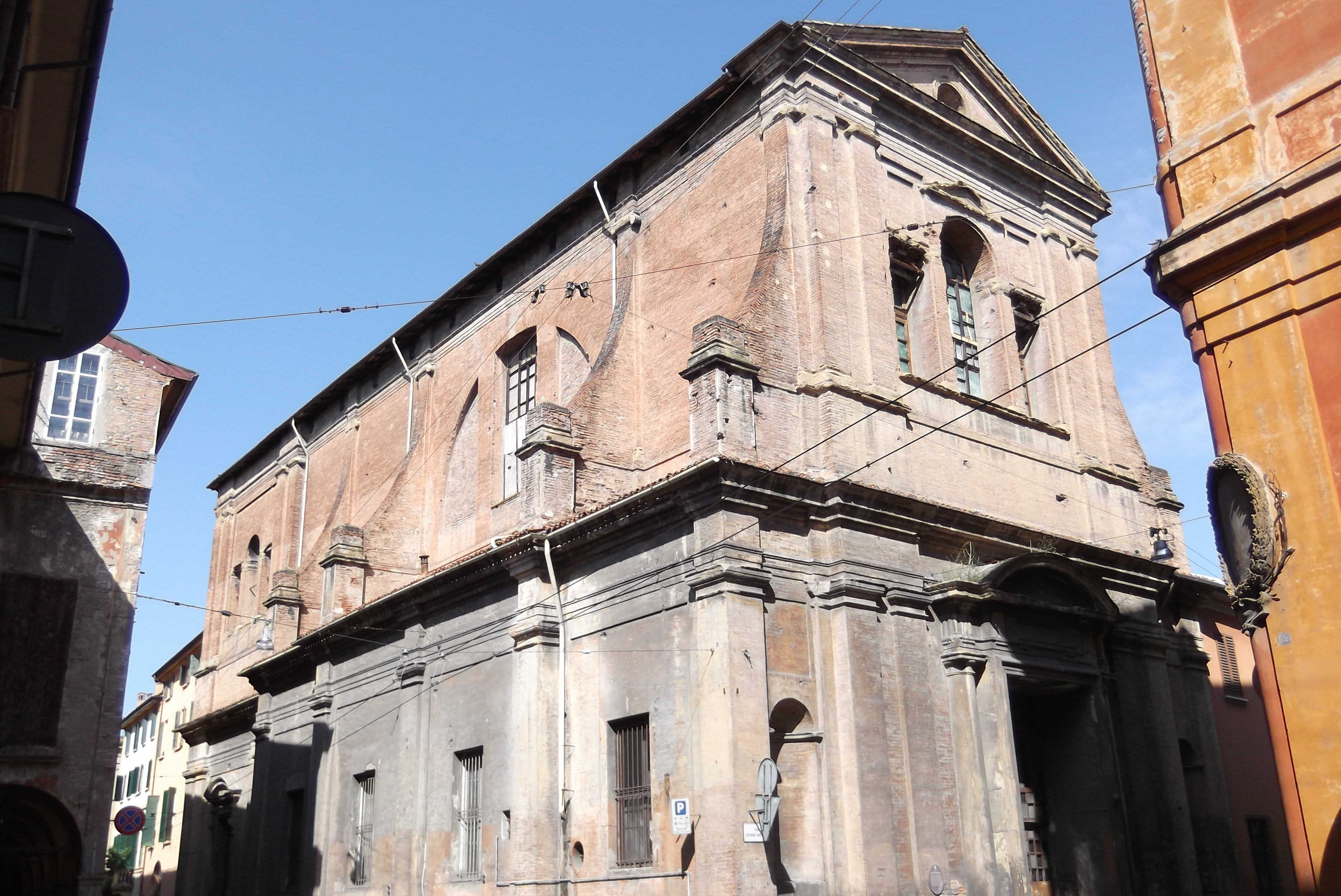

Nestled at the intersection of Via Barberia and Via Cesare Battisti in the heart of Bologna, the Church of San Barbaziano stands as a poignant reminder of the city’s rich historical tapestry. This deconsecrated church, built between 1608 and 1612, was designed by the architect Pietro Fiorini to replace a dilapidated structure that had served a convent dedicated to Saint Bartholomew. The transformation was prompted by the changing needs of worship following the Council of Trent, which sought to revitalize the Catholic Church's practices.
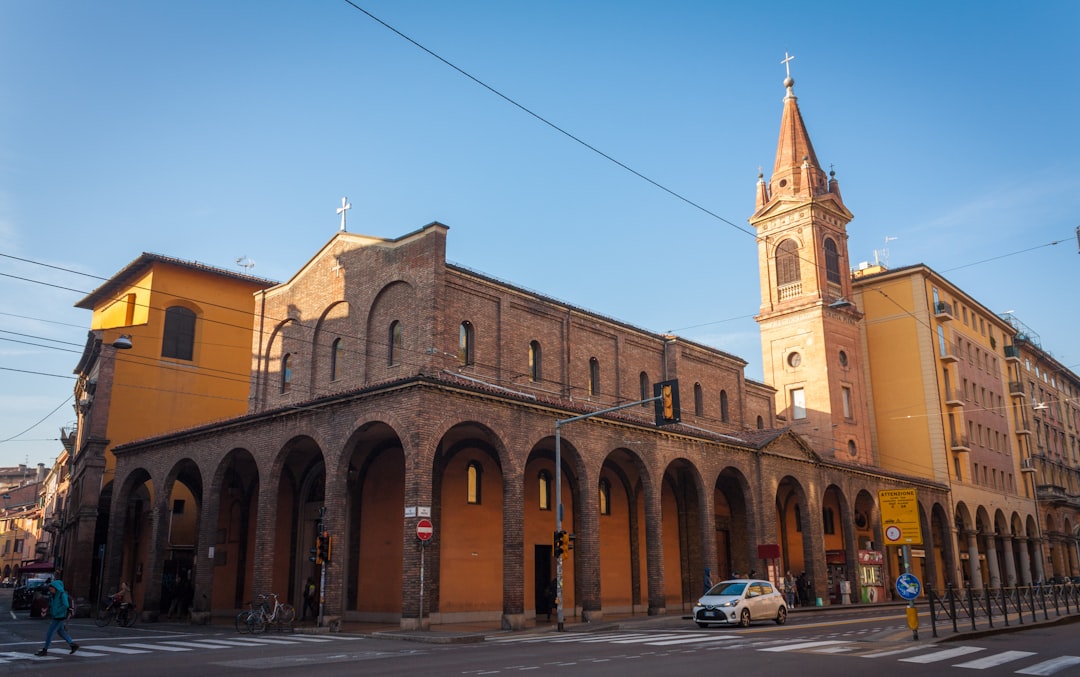
The church's origins are steeped in the fervor of the Counter-Reformation, a period marked by a return to stringent religious observance and architectural grandeur. The new church featured a single nave flanked by eight side chapels—four on each side—some of which were remnants of the original convent. This architectural design not only provided a space for worship but also facilitated the veneration of saints, reflecting the era's focus on personal and communal spirituality.
However, the church's fate took a dramatic turn following the Napoleonic wars in 1797, when it, along with its convent, was expropriated and sold to private individuals. The once-sacred space was repurposed as a warehouse, leading to a tragic stripping of its interior decorations and artistic treasures. By 1870, it was transferred to military ownership, which continued its use as a storage facility, even constructing a loft to maximize the space. This long period of neglect resulted in the disappearance of many significant artworks and decorations, leaving the church in a state of disrepair.
Despite its decline, the Church of San Barbaziano retains an air of quiet dignity, embodying the architectural style of Mannerism prevalent in the early 17th century. The façade, while austere, features classical elements such as pilasters and a triangular pediment, typical of Fiorini’s work. Inside, the simplicity of the single nave is punctuated by remnants of baroque decorations and the chapel altars, which once boasted intricate frescoes and sculptures. Visitors often find themselves captivated by the church's serene atmosphere, a stark contrast to the vibrant life of Bologna outside its walls.
Though no longer a functioning church, San Barbaziano is a symbol of Bologna's cultural evolution. The city, known for its rich customs and traditions, celebrates various festivals throughout the year, many of which carry religious significance. Events such as the Feast of San Petronio and the Fiera di San Luca reflect the deep-rooted connection between the city’s history and its religious institutions. The church, while not a central site for these festivities, stands as a testament to the spiritual heritage that informs Bologna's local customs.
When it comes to gastronomy, Bologna is a culinary treasure trove, famous for its rich and hearty dishes. The area surrounding the church offers a chance to indulge in local specialties such as tagliatelle al ragù, often referred to as Bolognese sauce, and tortellini stuffed with a delectable mix of meats. Pair these dishes with a glass of Sangiovese, a robust red wine from the Emilia-Romagna region, for a true taste of local culture. Many nearby trattorias and osterias provide a delightful backdrop to explore Bologna's culinary offerings after a visit to San Barbaziano.
For those intrigued by lesser-known curiosities, the church hides some fascinating stories. One such tale involves the transformation of its once-vibrant interior, which housed several notable artworks. The church's original altar piece, painted by the local artist Giovanni Battista Bolognini, is said to have depicted a miraculous event related to Saint Bartholomew and was lost during the church's conversion into a warehouse. The atmospheric remnants of the building still evoke the sense of spirituality it once held, prompting visitors to reflect on its past.
If you’re planning a visit to Bologna, the best time to explore the Church of San Barbaziano is during the spring and fall months when the weather is mild, allowing for leisurely strolls through the surrounding streets. While the church may not be adorned with the vibrancy of an active place of worship, its historical significance and architectural features make it a worthwhile stop for history buffs and curious travelers alike.
As you wander through Bologna’s enchanting streets, don’t miss the opportunity to include the Church of San Barbaziano in your itinerary; it offers a unique glimpse into the city’s layered past. For a personalized experience, consider using the Secret World app to craft your perfect day exploring Bologna's hidden gems.