
← Back

Cheung Chau - The hideaway of the pirate Cheung Po Tsai

Cheung Chau, Hong Kong ★★★★☆ 996 views
Khuresh Faizullabhoy
Cheung Chau
🏆 AI Trip Planner 2026

Get the free app

Discover the best of Cheung Chau with Secret World — the AI trip planner with 1M+ destinations. Get personalized itineraries, hidden gems and local tips. Free on iOS & Android.

🧠 AI Itineraries 🎒 Trip Toolkit 🎮 KnowWhere Game 🎧 Audio Guides 📹 Videos
Scan to download iOS / Android
Scan for AppGallery Huawei users

About Cheung Chau - The hideaway of the pirate Cheung Po Tsai

Cheung Chau - The hideaway of the pirate Cheung Po Tsai - Cheung Chau | Secret World Trip Planner

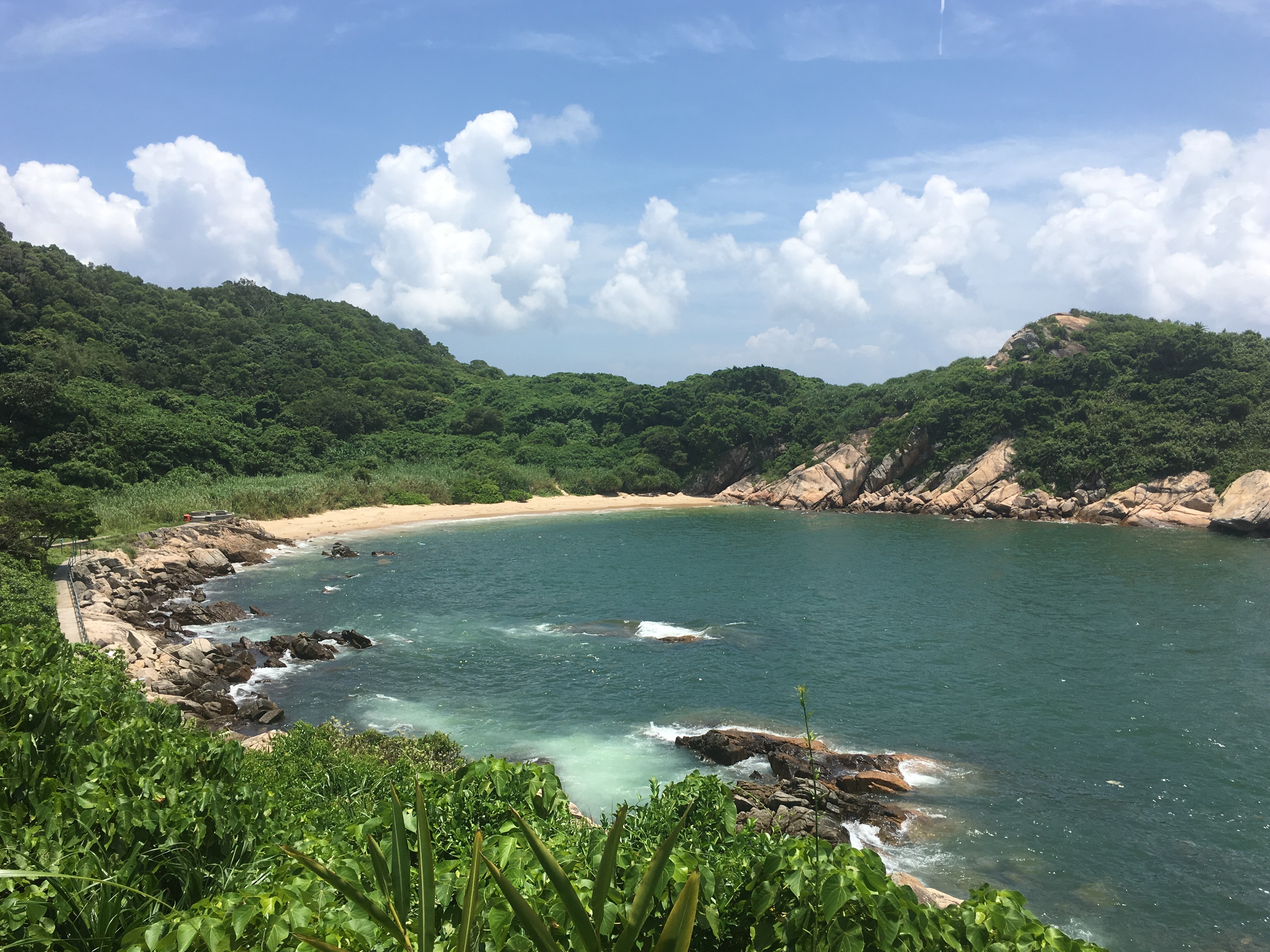
Nestled just 10 kilometers southwest of Hong Kong, Cheung Chau is a hidden gem that offers a charming escape from the city's fast pace. This small island, rich in history and culture, is most famously known as the hideout of the notorious 18th-century pirate Cheung Po Tsai, who used its secluded coves and rugged coastline to evade capture while launching his raids.

### History and Origins

Cheung Chau's history dates back centuries, with archaeological evidence suggesting that it has been inhabited since the Neolithic period. The island's name means "long island" in Cantonese, a nod to its elongated shape. In the late 18th century, Cheung Po Tsai, originally a fisherman, turned to piracy and became a formidable figure in the South China Sea. He reportedly established a base here, where he and his crew could stash their loot and plan their next assaults on merchant ships.

During the Qing Dynasty, Cheung Chau was a thriving fishing village. The island's strategic position made it a vital point for trade and maritime activities. As piracy waned in the 19th century, the island began to transition into a more peaceful existence, ultimately becoming a popular retreat for both locals and tourists.

### Art and Architecture

Cheung Chau is home to various architectural styles that reflect its rich heritage. The Tin Hau Temple, dedicated to the goddess of the sea, is a must-see. Built in 1783, this temple showcases traditional Chinese architecture, complete with intricate wood carvings and vibrant murals depicting maritime legends.

Another notable structure is the Cheung Chau Bun Tower, a colorful sight that is central to the island’s famous Bun Festival. The tower, adorned with decorative buns, has become a symbol of the island's cultural identity. Visitors can marvel at both the artistic details and the community spirit that these structures embody.

### Local Culture and Traditions

The island's culture is deeply intertwined with its fishing community. Cheung Chau boasts several festivals, the most famous being the Bun Festival held in the eighth month of the lunar calendar. This lively event includes lion dances, parades, and the famous bun-snatching competition, where participants race to climb a tower of buns in a display of agility and teamwork.

Another local tradition is the Cheung Chau Dragon Boat Festival, celebrated in the summer. This thrilling event features colorful dragon boats racing across the waters, drawing local and international teams alike. These festivals not only celebrate the island's maritime heritage but also foster a strong sense of community among residents.

### Gastronomy

When it comes to food, Cheung Chau excels, particularly in its seafood offerings. Visitors should not miss the chance to savor freshly caught fish, squid, and the island's signature dish, fish balls. Local eateries serve up these delicacies with a variety of dipping sauces, allowing diners to experience the full spectrum of flavors.

Another local specialty is the pork chop bun, which has gained popularity among both locals and tourists. This simple yet satisfying sandwich consists of a deep-fried pork chop tucked into a soft bun, often enjoyed as a quick snack while exploring the island.

### Lesser-known Curiosities

Beyond its captivating history and vibrant festivals, Cheung Chau holds many surprising stories. One lesser-known fact is the island's unique stone carvings scattered throughout its landscapes. These carvings, created by fishermen, depict various sea creatures and folklore, offering insight into the islanders' deep connection to the ocean.

Additionally, the Cheung Chau windmill, often overlooked by tourists, provides a stunning panoramic view of the island and surrounding waters. The windmill, built in the 19th century, is a remnant of the island's agricultural past and serves as a picturesque backdrop for photographs.

### Practical Visitor Information

The best time to visit Cheung Chau is during the spring and autumn months when the weather is mild and pleasant. The island is easily accessible via the ferry from Central Ferry Pier 5, with a journey time of around 30 minutes on the fast ferry and approximately 55-60 minutes on the slower service.

When exploring, be sure to wander along the scenic coastal paths that offer breathtaking views of the South China Sea. Renting a bicycle is also a popular option, allowing visitors to traverse the island at their own pace.

In summary, Cheung Chau is not just a retreat from urban chaos; it's a vibrant tapestry of history, culture, and culinary delights waiting to be explored. Whether you're drawn by the legend of Cheung Po Tsai or the island's rich traditions, Cheung Chau promises an unforgettable experience.

To enhance your visit, consider using the Secret World app to craft a personalized itinerary tailored to your interests.

🗺 La app de los tesoros hispanos

Plan your visit to Cheung Chau

Suggested itinerary near Cheung Chau - The hideaway of the pirate Cheung Po Tsai

MAJ+
500.000+ travelers worldwide
  1. 🌅
    Morning
    Cheung Chau - The hideaway of the pirate Cheung Po Tsai
    📍 Cheung Chau
  2. ☀️
    Afternoon
    Man Mo Temple, an old Taoist temple
    📍 8.6 km · Cheung Chau
  3. 🌆
    Evening
    The green face of Hong Kong: Lamma Island
    📍 11.2 km · Cheung Chau

Buy Unique Travel Experiences

Powered by Viator

See more on Viator.com

Explore nearby · Cheung Chau