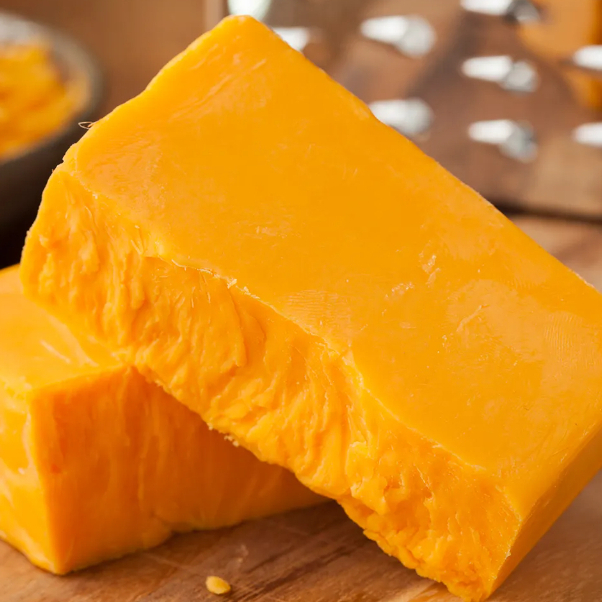

Nestled in the verdant hills of Somerset, the quaint village of Cheddar is not only a picturesque slice of English countryside but also the birthplace of one of the world’s most beloved cheeses. Cheddar cheese, known for its distinctively sharp flavor and firm texture, is a staple of British gastronomy, and its story is as rich and layered as the cheese itself.
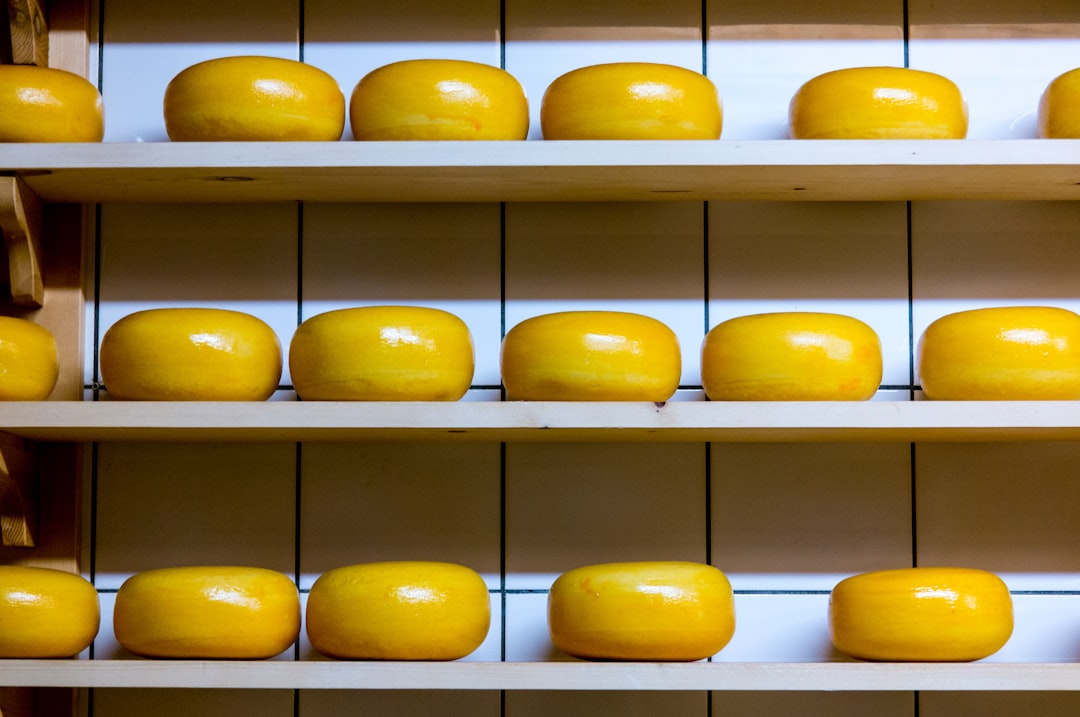
Cheddar's history is steeped in legend and tradition, dating back to the 12th century. The earliest records of Cheddar cheese production trace back to the reign of King Henry II, who in 1170 declared it the best cheese in England and bought a hefty 10,240 pounds of it. The unique process of "cheddaring," which involves stacking and turning blocks of curd to expel whey, is said to have originated here, giving the cheese its signature dense texture. This method was refined over centuries, and by the Victorian era, Cheddar had become a symbol of British cheese-making, spreading its influence far beyond the village itself.
Though Cheddar is primarily known for its cheese, the village is also home to intriguing art and architecture. The Cheddar Gorge, with its dramatic limestone cliffs and ancient caves, is a natural masterpiece that has inspired artists and poets alike. The gorge is not only a geological wonder but also a historic site where prehistoric artifacts were discovered, offering a glimpse into the lives of our ancestors. The nearby St. Andrew's Church, with its 14th-century architecture, stands as a testament to the village's medieval past, featuring intricate stonework and timeless Gothic design that captivates visitors.
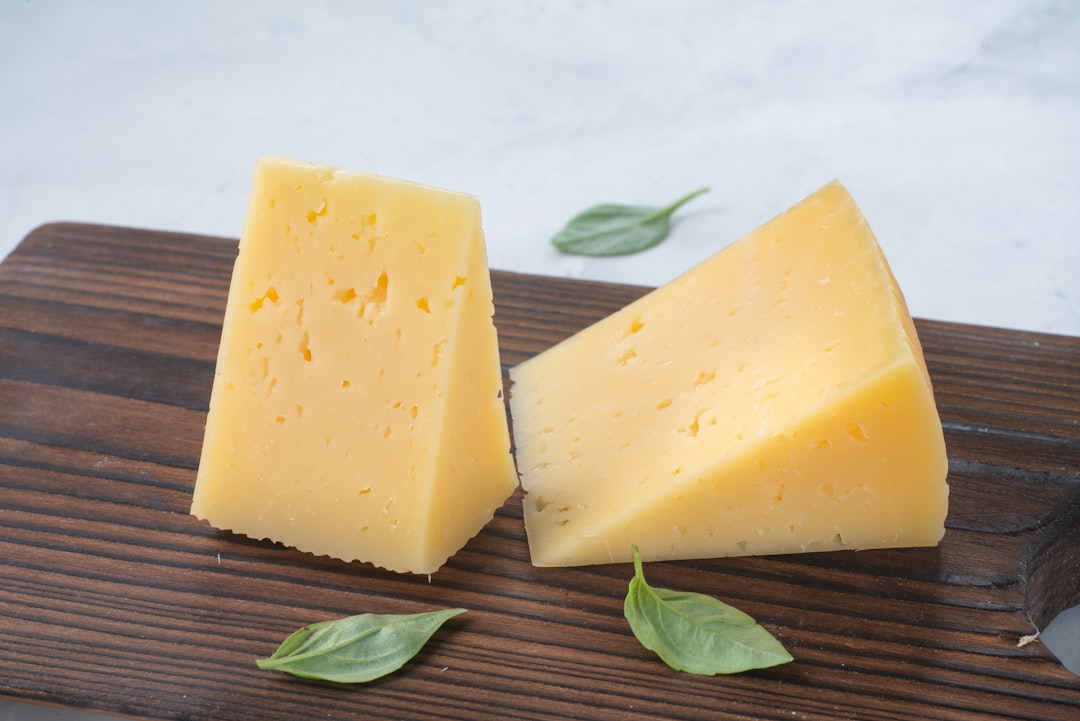
Local culture and traditions in Cheddar are deeply intertwined with its cheese-making heritage. The annual Cheddar Challenge, a lively cheese-rolling event, sees local competitors racing wheels of cheese down the steep slopes of the gorge. This quirky tradition reflects the village’s playful spirit and deep connection to its dairy roots. Moreover, the Cheddar Fest, held in the summer, is a vibrant celebration of all things cheese, featuring tastings, workshops, and performances that draw cheese enthusiasts from around the globe.
The village's gastronomy extends beyond cheese, offering a taste of Somerset's culinary bounty. Visitors can indulge in traditional ploughman's lunches, a hearty offering that includes thick slices of Cheddar, crusty bread, pickles, and locally sourced meats. The region is also known for its cider, and a visit to a local cider house provides a refreshing complement to the rich flavors of the cheese. Savoring a pint of Somerset cider while overlooking the rolling green hills is an experience not to be missed.
For those seeking lesser-known curiosities, the Cheddar Museum provides fascinating insights into the cheese's storied past. Here, you can learn about Joseph Harding, often credited as the "father of Cheddar cheese" for his contributions to modernizing its production in the 19th century. Another hidden gem is the cheese aging caves, a unique environment where the cheese develops its complex flavors, thanks to the constant temperature and humidity levels maintained within these natural cellars.
Practical visitor information is essential for making the most of your Cheddar experience. The best time to visit is during the spring and summer months, when the landscape is lush and the village festivals are in full swing. Comfortable walking shoes are a must for exploring the rugged terrain of Cheddar Gorge and its surrounding trails. Don’t forget to visit local cheese shops, where you can taste and purchase authentic Cheddar cheese straight from the source. For a truly immersive experience, take a guided tour of a working dairy farm to witness the cheese-making process firsthand.
In Cheddar, history, culture, and culinary excellence blend seamlessly, offering a rich tapestry of experiences for any traveler. Whether you're a cheese aficionado or simply a lover of beautiful landscapes, this charming village invites you to explore its depths, savor its flavors, and uncover its stories—each as delightful as the next.