





← Back

Castle of Loarre: Spain's most important Romanesque castle

A-1206, 22809 Loarre, Huesca, Spagna ★★★★☆ 338 views
Kelly Moreno
Loarre
🏆 AI Trip Planner 2026

Get the free app

Discover the best of Loarre with Secret World — the AI trip planner with 1M+ destinations. Get personalized itineraries, hidden gems and local tips. Free on iOS & Android.

🧠 AI Itineraries 🎒 Trip Toolkit 🎮 KnowWhere Game 🎧 Audio Guides 📹 Videos
Scan to download iOS / Android
Scan for AppGallery Huawei users

About Castle of Loarre: Spain's most important Romanesque castle

Castle of Loarre: Spain's most important Romanesque castle - Loarre | Secret World Trip Planner

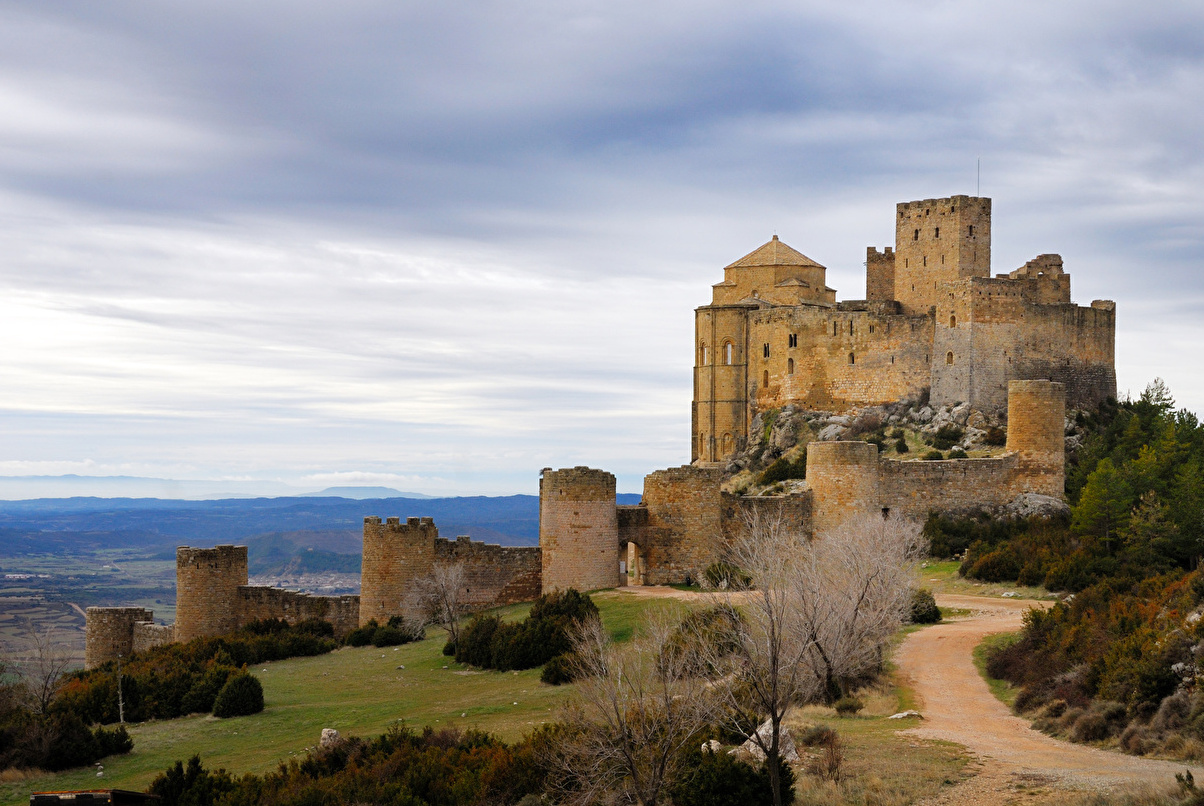
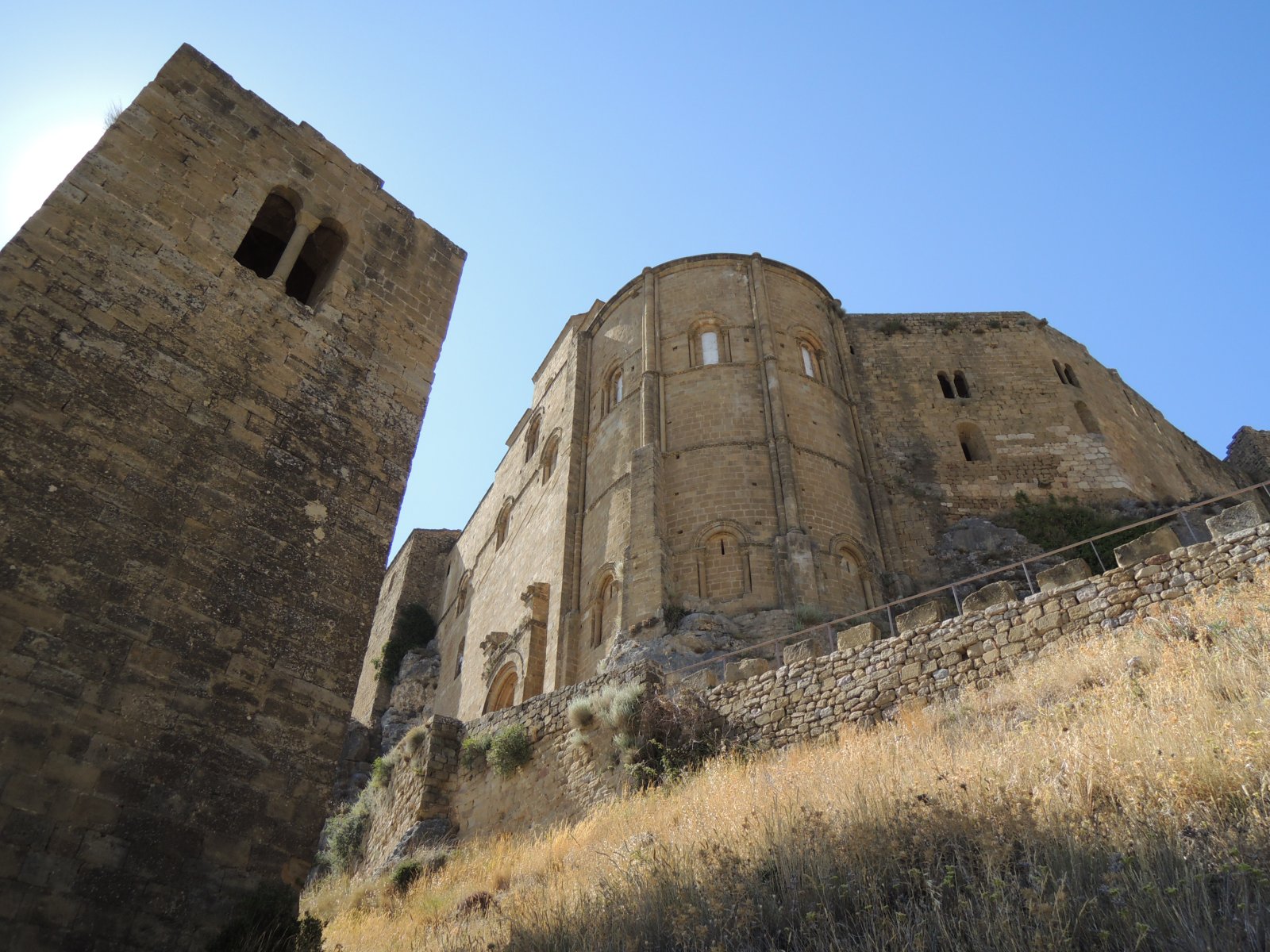
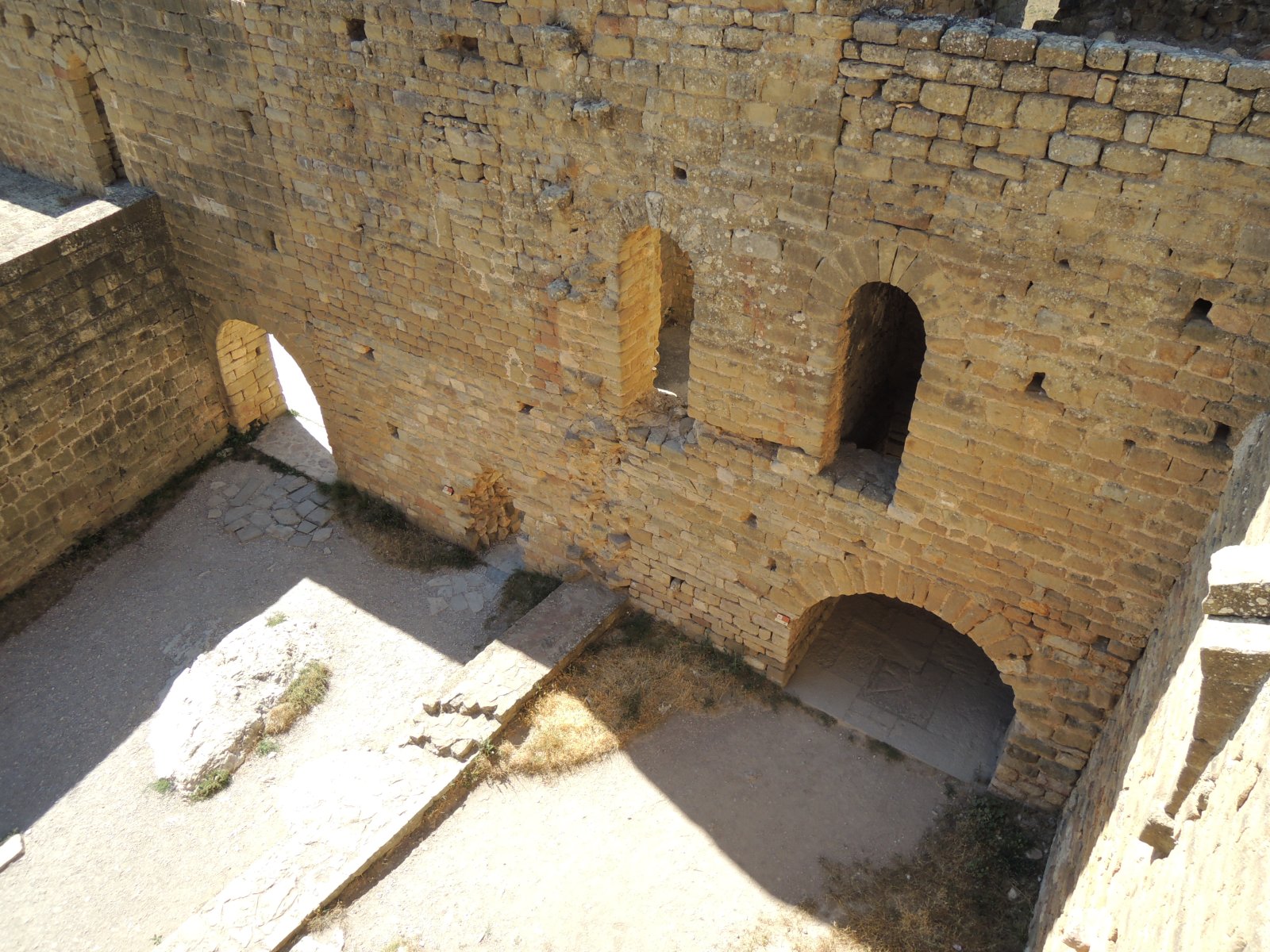
The castle of Loarre is an imposing Romanesque fortress built at the end of the 11th century by order of King Sancho Ramírez I of Aragon, on the remains of an ancient Roman fortress. It is considered the most important Romanesque castle in Spain. It has an irregular layout with double walls and cylindrical towers. Inside is the 12th century Romanesque church of Santa María. The church has three naves, with a barrel vault. Of particular interest are the capitals, decorated with motifs of Romanesque iconography. Originally a royal residence, it later became an Augustinian convent. The first phase began around the year 1020 at the hands of the great king of Sancho Sancho el Mayor, who in his eagerness to protect the Pyrenean counties from Muslim attacks, took advantage of the pre-Pyrenean mountains of Huesca to install a series of forts that would create an authentic fortified frontier, of which Loarre would be one of its last links. Of this first phase, the two main towers and the Romanesque chapel of Santa María stand out. The second phase was initiated by his grandson, the second king of Aragon, Sancho Ramírez, around 1071, who, with the support of the Holy See, decided to surround his grandfather's old fortress, which was still a frontier, with a large monastery that would house an order of Augustinian canons, combining in Loarre the sword and the cross, the military and the monastic functions. Of this phase highlights the impressive church of San Pedro, a unique jewel of Romanesque architecture crowned by a spectacular dome. Supported by the Pope, Sancho Ramirez surrounded his grandfather's old castle with a large monastery for an order of Augustinian canonical monks, combining the cross and the sword, the military and monastic functions in the same building. The most important construction of this phase is the impressive church of St. Peter, a marvel of Romanesque architecture, crowned by a dome. The last phase of construction would be delayed until the end of the 13th century, and it is the wall marked by semicircular towers that runs over a perimeter of 170 m, and that surrounded not only the fortress, but also a small village that grew up underneath the castle, and that is the origin of today's Loarre. It was at the dawn of the Renaissance when such a large fortress was finally abandoned, leaving its presence undaunted at the top of the Sierra de Loarre.
Castle of Loarre: Spain's most important Romanesque castle - Loarre | Secret World Trip Planner
🗺 La app de los tesoros hispanos

Plan your visit to Loarre

Suggested itinerary near Castle of Loarre: Spain's most important Romanesque castle

MAJ+
500.000+ travelers worldwide
  1. 🌅
    Morning
    Castle of Loarre: Spain's most important Romanesque castle
    📍 Loarre
  2. ☀️
    Afternoon
    Aguero, one of the best hidden gems in Spain
    📍 15.3 km · Loarre

Buy Unique Travel Experiences

Powered by Viator

See more on Viator.com

Explore nearby · Loarre

Frequently Asked Questions

Castle of Loarre is considered Spain's most important Romanesque castle, built in the late 11th century by King Sancho Ramírez I of Aragon on the remains of a Roman fortress. Its unique combination of military and monastic functions, along with its impressive double walls, cylindrical towers, and the spectacular church of San Pedro with its distinctive dome, make it architecturally exceptional.
The castle was built in two main phases: the first phase began around 1020 under King Sancho el Mayor, who constructed the two main towers and the Romanesque chapel of Santa María to protect against Muslim attacks. The second phase was initiated around 1071 by his grandson, Sancho Ramírez I, who expanded it into a large monastery complex for Augustinian canons.
The castle features the 12th-century Romanesque church of Santa María with three naves and barrel vaults, notable for its capitals decorated with Romanesque iconography, and the impressive church of San Pedro crowned by a spectacular dome. The fortress also showcases its original irregular layout with double walls and cylindrical towers, reflecting its dual purpose as both a royal residence and defensive stronghold.
With support from the Pope, King Sancho Ramírez decided to surround his grandfather's old fortress with a large monastery for Augustinian canons, symbolically combining 'the sword and the cross.' This blended military and monastic functions in a single building, making Loarre a unique fortress-monastery that served both defensive and religious purposes during the medieval period.
Located in the pre-Pyrenean mountains of Huesca, Castle of Loarre was strategically positioned as part of a fortified frontier created by King Sancho el Mayor to protect Pyrenean counties from Muslim attacks. It served as one of the last links in a series of forts, making it historically crucial to the defense of medieval Christian kingdoms in northeastern Spain.