
← Back

Castle Läckö

531 99 Lidköping, Svezia ★★★★☆ 179 views
Kelly Moreno
531 99 Lidköping
🏆 AI Trip Planner 2026

Get the free app

Discover the best of 531 99 Lidköping with Secret World — the AI trip planner with 1M+ destinations. Get personalized itineraries, hidden gems and local tips. Free on iOS & Android.

🧠 AI Itineraries 🎒 Trip Toolkit 🎮 KnowWhere Game 🎧 Audio Guides 📹 Videos
Scan to download iOS / Android
Scan for AppGallery Huawei users

About Castle Läckö

Castle Läckö - 531 99 Lidköping | Secret World Trip Planner

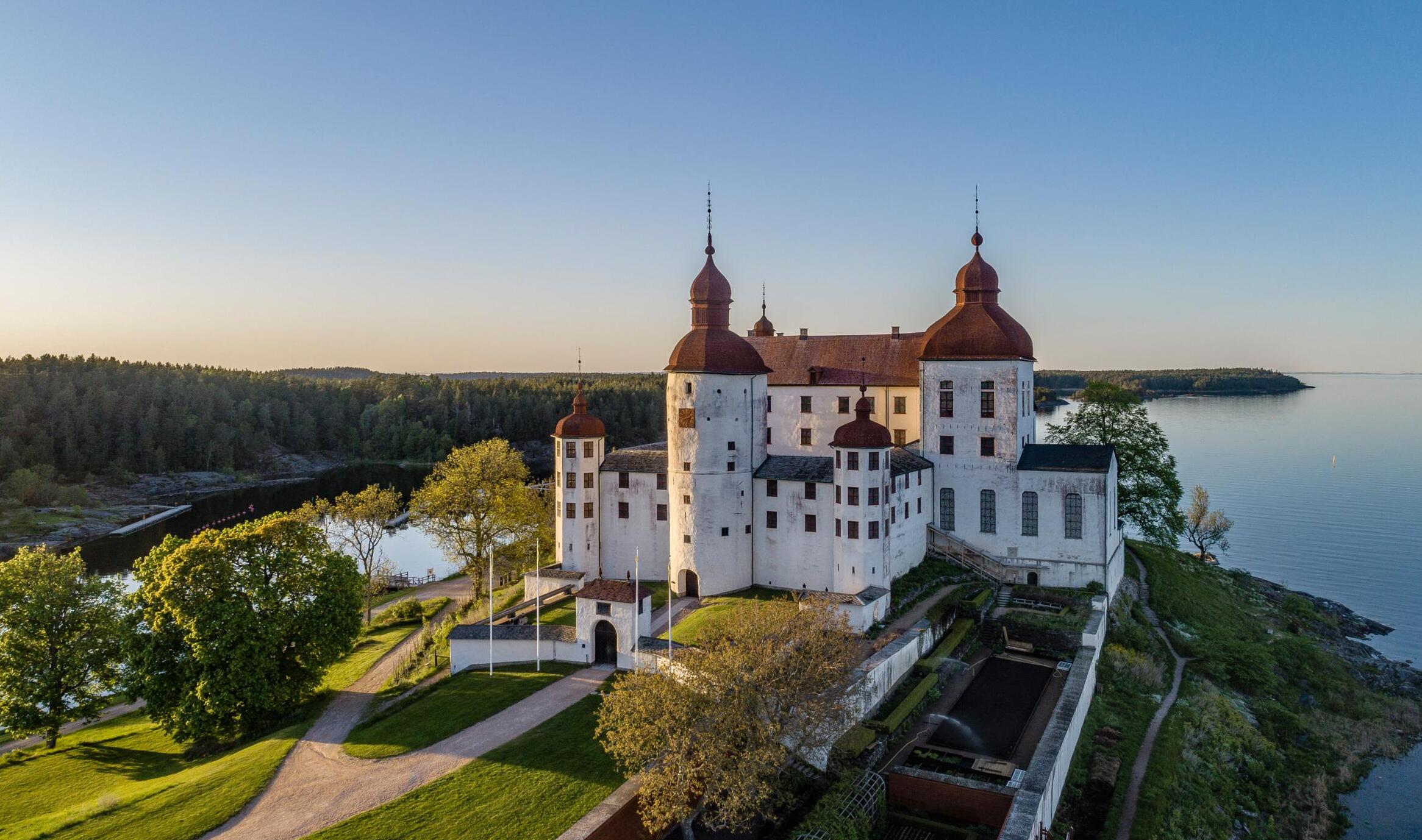
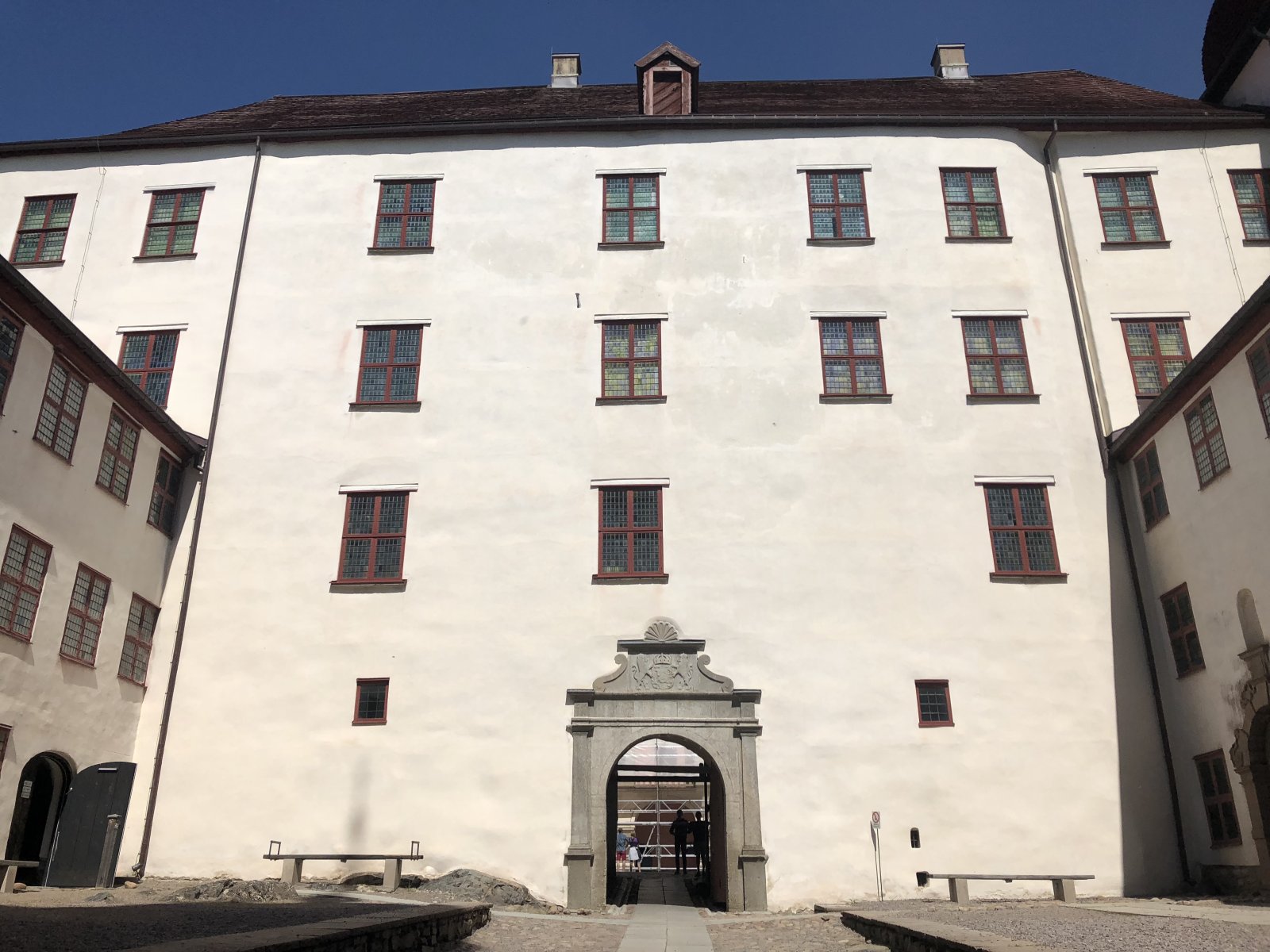
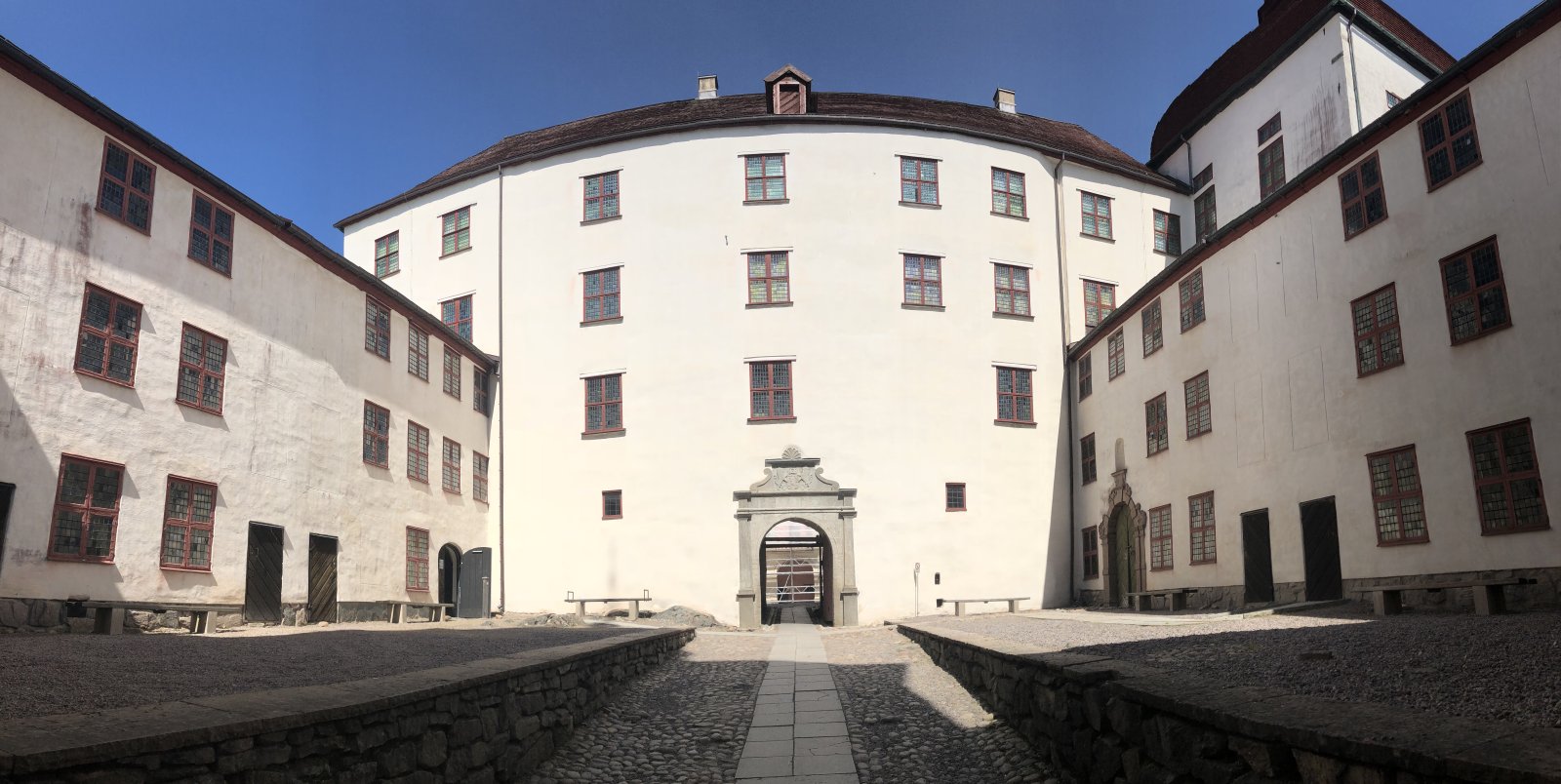
Castle Läckö is best known as De la Gardie's magnificent castle/mansion on the shores of Lake Vänern, but it is much older. In 1298 Brynolf Algotsson, Bishop of Skara, laid the foundations for a fortified castle here. Probably no more than a redoubt surrounding a few simple houses, it was nevertheless strategically located in the middle of his diocese. After the reformation in 1527, Läckö ceased being a bishop's castle, reverting instead to the crown. Gustav Vasa took possession. For a while Läckö was poorly maintained until his brother-in-law, Svante Sture, took possession, repairing and improving the property. He was followed by Hogenskild Bielke, married to Sture's daughter Anna. He was made a baron and granted Läckö as his barony in 1571. His accounts and letters describe all tasks and inventories at the castle. Tradition has it that he was the one who ordered the still extant painting in a couple of the rooms. The couple was also known for having owned one of the largest libraries of that period. After various problems Hogenskild Bielke was sentenced to death and executed at Stockholm in 1605. Field marshal Jacob Pontusson De la Gardie was granted the property in 1615. Count De la Gardie embarked on an extensive building spree, including the third floor of the keep. The portal to the main courtyard was added during this period, as were the frescos depicting people and winding plants found in niches, stairwells and the rooms on the third floor. Count Magnus Gabriel De la Gardie was only 30 when took over the castle and the county. In 1654 he initiated immense construction projects at Läckö, including new rooms and housing for the staff in the gatehouse. He also added the kitchen wing, the castle chapel and a fourth floor on the keep. Even if the Middle Ages hover over large parts of the castle, it is the Baron's castle we see when we visit Läckö today.
Castle Läckö - 531 99 Lidköping | Secret World Trip Planner

Buy Unique Travel Experiences

Powered by Viator

See more on Viator.com

Frequently Asked Questions

Castle Läckö was founded in 1298 by Brynolf Algotsson, Bishop of Skara, as a fortified castle strategically located in the middle of his diocese. Originally, it was likely just a simple redoubt with a few basic houses, but it served an important defensive and administrative purpose for the Church.
Field Marshal Jacob Pontusson De la Gardie (granted the property in 1615) added the third floor to the keep and the main courtyard portal, along with decorative frescos throughout the castle. His successor, Count Magnus Gabriel De la Gardie, undertook even more extensive construction in 1654, including a fourth floor on the keep, new rooms, a kitchen wing, a castle chapel, and housing for staff in the gatehouse.
After the Reformation, Läckö ceased being a bishop's castle and was claimed by the crown under Gustav Vasa. It eventually became poorly maintained until Svante Sture took possession and repaired the property, followed by Hogenskild Bielke, who was granted it as his barony in 1571 and oversaw significant improvements.
Hogenskild Bielke and his wife Anna were known for owning one of the largest libraries of that period, demonstrating the castle's importance as a center of learning and culture. Additionally, paintings that still exist in several rooms today are believed to have been commissioned during Bielke's time at the castle.
While medieval elements hover over large parts of Castle Läckö, the castle visitors see today is primarily the Baron's castle as it was shaped by the De la Gardie family's extensive renovations and additions from the 17th century. The castle beautifully blends its medieval foundations with Renaissance and baroque architectural elements from this prosperous period.