





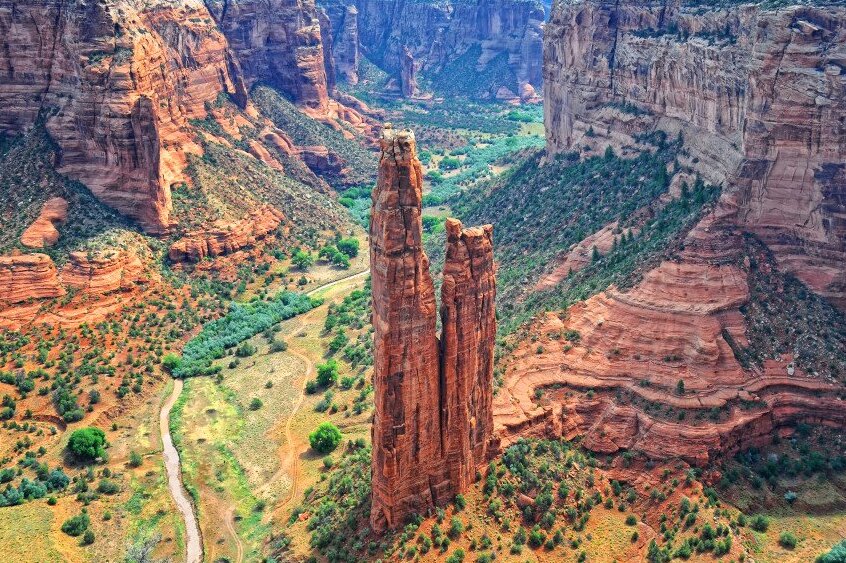
Canyon de Chelly, located in northeastern Arizona, stands as a breathtaking testament to the enduring spirit and rich history of the Navajo Nation, offering an unparalleled glimpse into the heart of Native American heritage.**
History and Origins
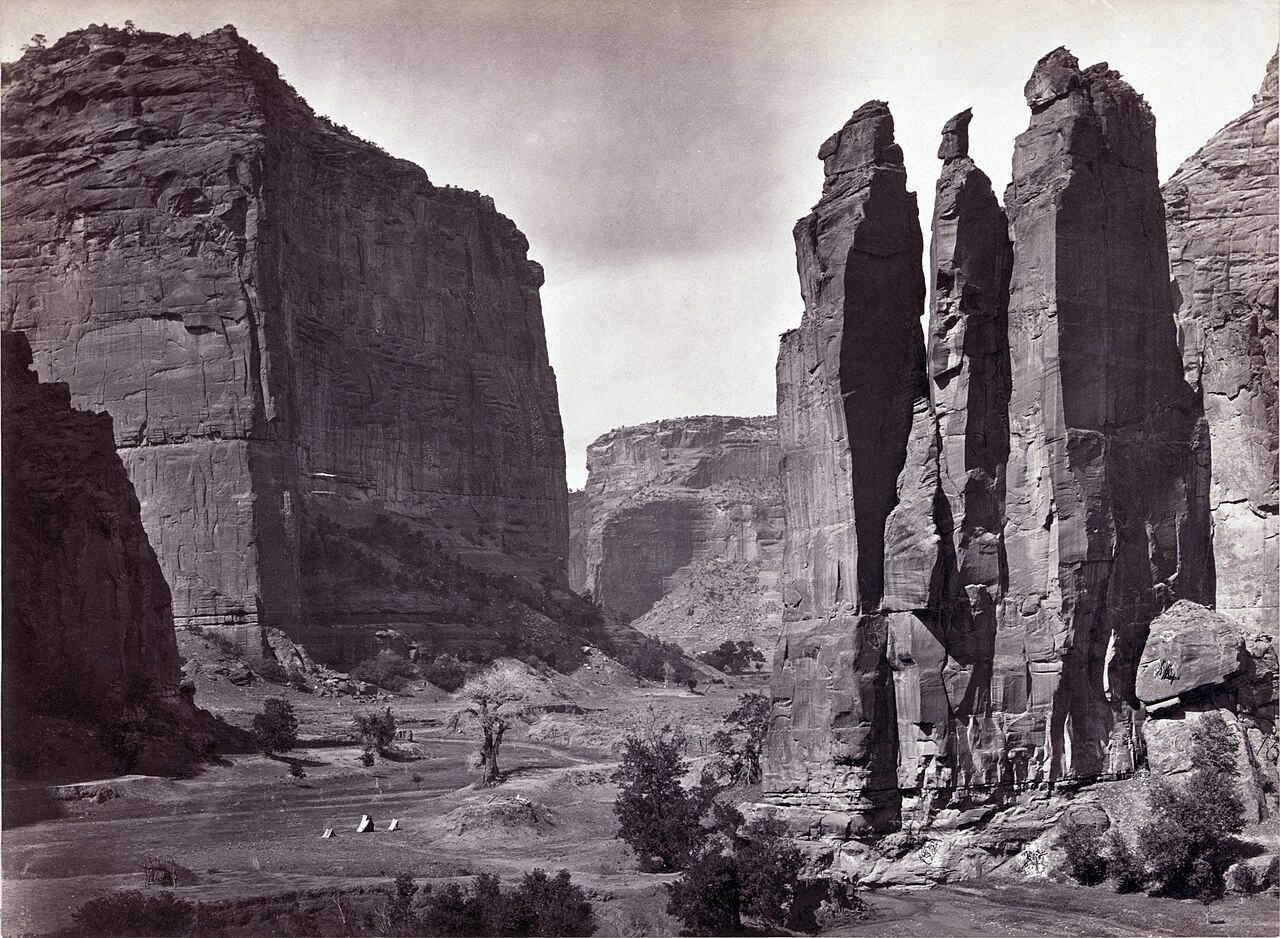
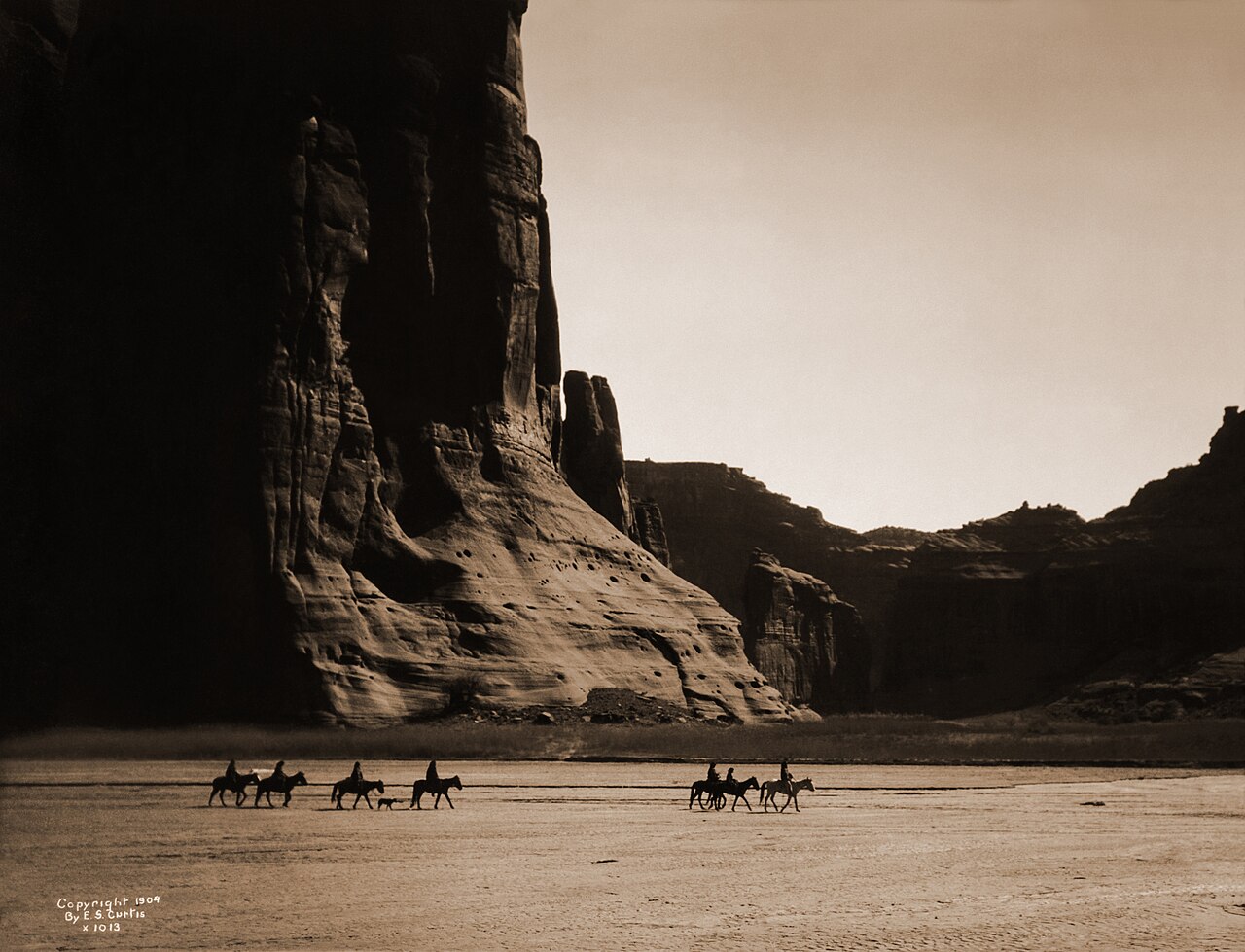
Spanning more than 5,000 years of human habitation, Canyon de Chelly is one of the longest continuously inhabited landscapes in North America. Early Ancestral Puebloans, known as the Anasazi, first settled here around 2500 BCE, leaving behind a legacy of intricate cliff dwellings and spiritual rock art. By the 18th century, the Navajo people, or Diné, made these canyons their home, weaving their own stories into the landscape. The canyon's history is marked by significant events, such as the tragic Long Walk of 1864, when the U.S. government forcibly relocated the Navajo people.
Art and Architecture
The canyon's distinctive architecture includes stunning cliff dwellings like the iconic White House Ruin, named for its white plaster walls that echo the artistry of the Ancestral Puebloans. These structures are marvels of ancient engineering, nestled within the canyon walls at dizzying heights. The rock imagery, or petroglyphs, found throughout the canyon, offers a visual narrative of spiritual and everyday life, depicting animals, deities, and historical events. These artworks are not only aesthetically remarkable but also culturally significant, providing insights into the beliefs and practices of the canyon's early inhabitants.
Local Culture and Traditions
Today, Canyon de Chelly sustains a living community of Navajo people, who maintain deep spiritual and cultural connections to the land. Visitors can witness this vibrant culture through various local customs and traditions. The annual Navajo Nation Fair, held in nearby Window Rock, showcases traditional Navajo dances, music, and arts, celebrating the resilience and richness of Navajo culture. The canyon itself is a place of sacred significance, with many sites only accessible with a Navajo guide, ensuring respectful engagement with the landscape.
Gastronomy
The culinary landscape around Canyon de Chelly offers a taste of traditional Navajo cuisine, deeply rooted in the earth's bounty. Fry bread, a staple of Navajo dining, is often served with savory fillings or sweet toppings. Another local favorite is mutton stew, a hearty dish that reflects the pastoral lifestyle of the Navajo people. Accompanying these dishes, you might find blue corn mush, a traditional meal that highlights the importance of corn in Navajo agriculture.
Lesser-known Curiosities
One intriguing aspect of Canyon de Chelly is the Antelope House Ruin, named for the antelope paintings on its walls. This site reveals lesser-known stories about the canyon's ancient inhabitants and their relationship with wildlife. Another hidden gem is the Mummy Cave, the largest ancient pueblo in the canyon, which offers a quieter, more contemplative experience away from more frequented sites.
Practical Visitor Information
The best time to visit Canyon de Chelly is during the spring and fall when temperatures are mild, and the landscape is particularly striking. To truly appreciate the canyon's beauty and history, consider hiring a Navajo guide who can provide personal insights and access to restricted areas. While visiting, respect the living community by staying on designated paths and refraining from taking artifacts. Don't miss the chance to gaze at Spider Rock, an iconic sandstone spire that holds deep spiritual significance for the Navajo people.
Planning a trip can be seamless with the Secret World app, perfect for crafting a personalized AI itinerary to explore Canyon de Chelly's hidden wonders.