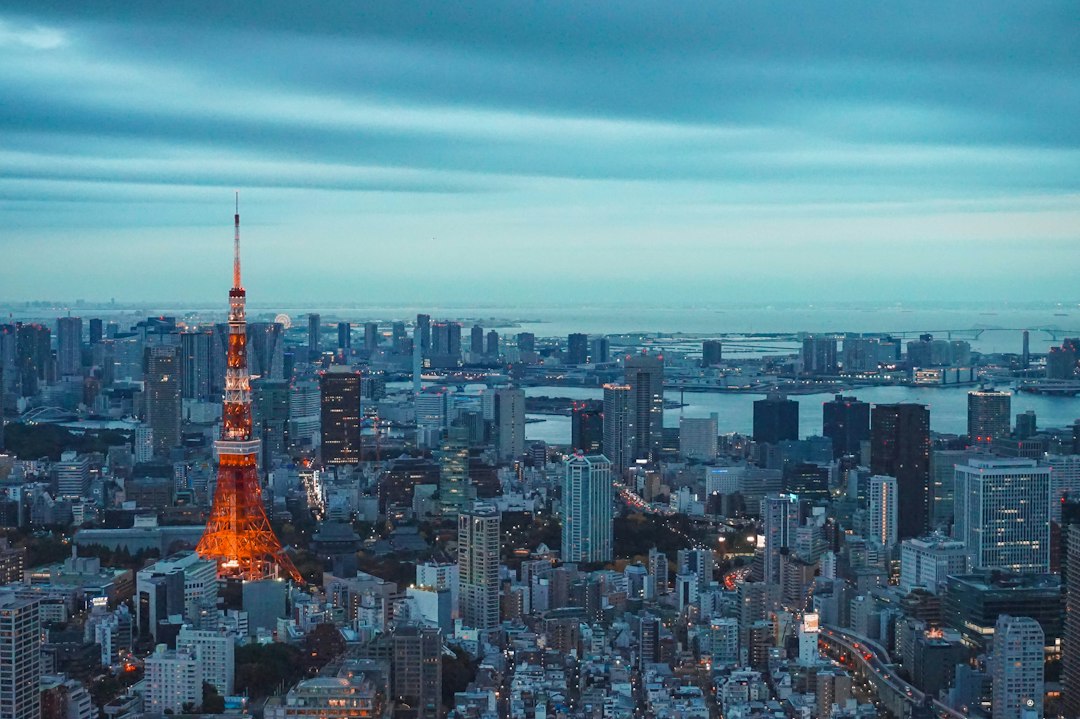

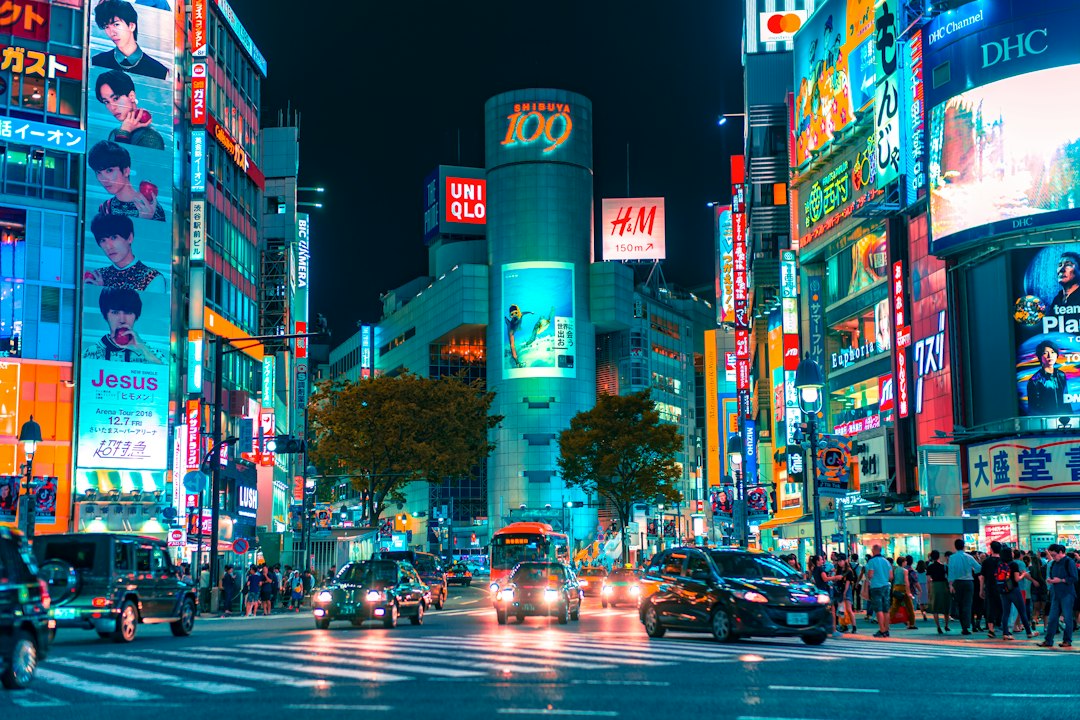
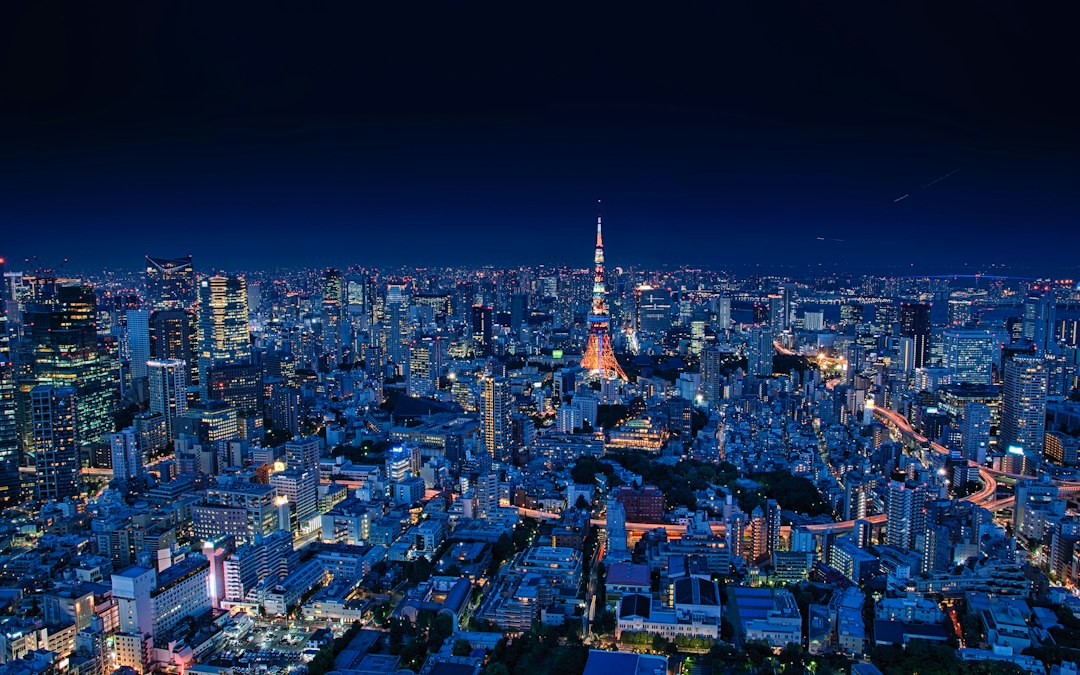
Tokyo has 23 official districts, over 100,000 restaurants, and a subway network with 285 stations. Deciding how to move between Shibuya and Asakusa, understanding how much time to dedicate to the Meiji Shrine compared to teamLab Planets, choosing whether to eat ramen in Shinjuku or sushi at the Toyosu market: these decisions, for a first-time traveler, can turn enthusiasm into paralysis. And this is exactly where artificial intelligence is changing the game.
In 2026, AI trip planners are no longer just simple information aggregators: they are tools capable of building personalized itineraries, adapting to your budget, your pace, and your specific interests. If you love traditional architecture, the AI will guide you to the Yanaka district instead of the usual Harajuku. If you only have three days, it will optimize travel to reduce downtime on the subway. This is the future of travel planning, and it is already happening.
How AI Transforms an Itinerary from Generic to Personal
The problem with old planning methods was their generic nature. Paper guides and travel blogs offer standard routes designed for the average traveler, who does not exist. An AI trip planner 2026 like Secret World works in a radically different way: it analyzes your preferences, the number of days available, and the type of experience you are looking for, then builds a customized itinerary. For Tokyo, this means being able to choose between a route focused on the zen temples of Nikko (90 minutes from the capital by Shinkansen, ticket about 2,700 yen) and a tour of contemporary art museums like the Mori Art Museum in Roppongi Hills, open until 10:00 PM with a ticket costing 2,000 yen.
The concrete difference is in time management. An AI itinerary calculates, for example, that Senso-ji in Asakusa requires about 45 minutes for a visit, but that arriving before 8:00 AM avoids the crowd and saves time. It knows that the distance between Akihabara and Ueno can be walked in 20 minutes, making taking the metro unnecessary. These operational details, which a human would take hours to gather, are processed in seconds.
Secret World and the 1 Million Destinations Database
Secret World stands out from other tools for the scale of its database: over 1 million destinations worldwide, with updated information on hours, prices, accessibility, and specific features of each place. For Tokyo, this translates into coverage that ranges from major classics like the Imperial Palace and Ueno Park to neighborhood izakayas in Shimokitazawa or independent art galleries in Koenji that you wouldn't find in any traditional travel guide.
One of the most innovative tools integrated into Secret World is KnowWhere, a feature that allows you to explore destinations based on very specific criteria: do you want a quiet place to meditate in Tokyo with free entry and open early in the morning? KnowWhere filters and suggests places like Hamarikyu Garden or Yanaka Cemetery, authentic spaces away from the mass tourist circuits. It's the difference between visiting a city and truly knowing it.
Audio guide AI: Tokyo in headphones, without a tour guide
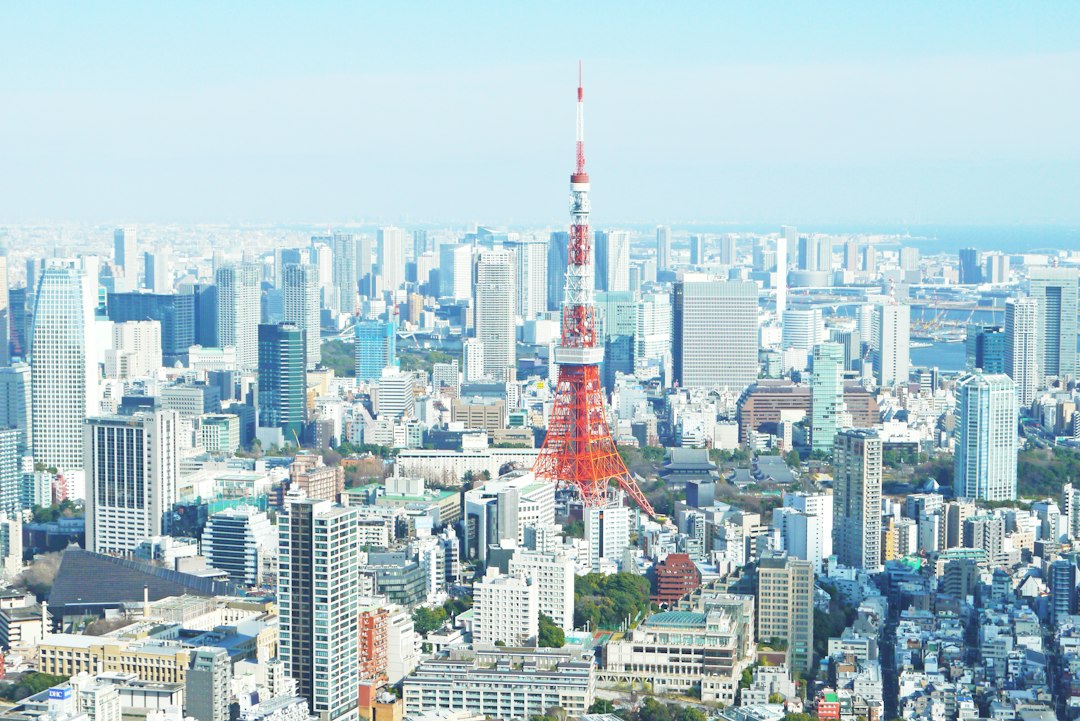
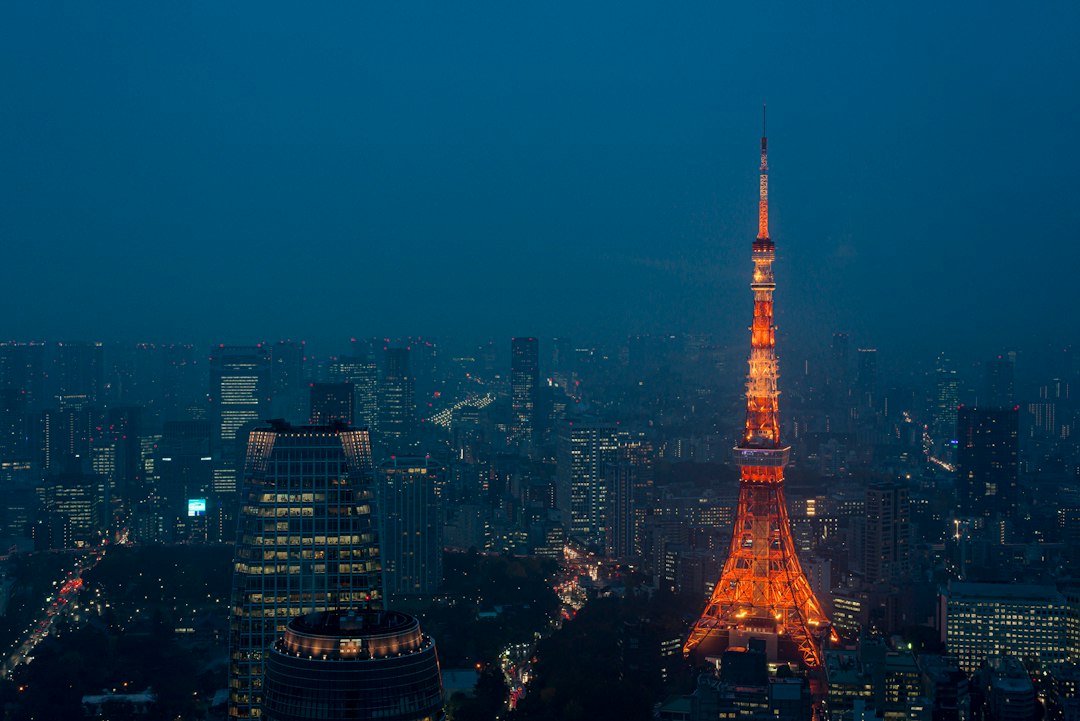
Another dimension in which artificial intelligence is redefining the travel experience is that of AI-generated audio guides. Secret World offers contextual audio guides that activate based on your location: as you walk towards the red Torii of Fushimi Inari or approach the Tokyo Tower, you receive historical information, architectural curiosities, and practical tips directly in your headphones, in Italian. You don't have to stop to read, you don't have to wait for a group guide.
This mode of consumption is particularly valuable in a city like Tokyo, where the density of visual stimuli is extremely high and stopping to consult a smartphone every five minutes breaks the rhythm of the visit. The AI audio guide allows you to walk, look, absorb, while the information comes in a natural and non-intrusive way. For more complex neighborhoods like Harajuku, where in just a few meters you go from Takeshita Street to the Meiji Shrine, having immediate narrative context completely changes the understanding of the place.
Planning Tokyo in 2026: the concrete method
Using an AI trip planner for Tokyo in 2026 means starting from a simple input: how many days you have, what interests you, what your daily budget is. With 5 days and an average budget of 150 euros per day (including food, transport with IC Card, and entrance fees), Secret World builds a balanced itinerary that alternates central neighborhoods like Shinjuku and Ginza with more peripheral and authentic areas like Shimokitazawa, famous for vintage shops and jazz live clubs. Each day is optimized to minimize unnecessary travel on the JR network and the Toei subway.
The result is not a list of things to see, but a coherent travel plan, with realistic timings, alternatives in case of rain, and suggestions on where to eat near the planned attractions. Secret World is available for free: download the app, enter Tokyo as your destination, and let the artificial intelligence build your next trip. No more hours of research, no more itineraries copied from blogs written three years ago.